
Chengdu City, Sichuan Province, China-November 5, 2026
So you’re thinking about getting a Home Charger for your EV, huh? Honestly, it’s a total game-changer – that boring old driveway becomes your personal fuel station overnight. Speaking of which, the International Energy Agency just dropped their Global EV Outlook 2024, and they say electric car sales hit nearly 14 million worldwide in 2023. That’s like 18% of all new cars, which is pretty wild, right? With that many EVs on the road, people are scrambling to figure out a reliable charging routine. And let’s be real – for most households, plugging in when you get home beats planning trips around public charging stops every single time.So, the folks over at the U.S. Department of Energy’s Alternative Fuels Data Center say that Level 2 charging can typically add around 10 to 20 miles of range per hour. But honestly, that’s a rough estimate—real-world results depend on your specific vehicle, the charger you’re plugged into, and even your home’s electrical setup. And here’s the kicker: just because a charger claims a certain speed, doesn’t mean you’ll actually get that in your own garage. It’s one of those things that sounds simple but isn’t. You know, Fatih Birol, the head of the IEA, recently made a great point: the rise of electric cars—which could totally shake up the energy sector—isn’t a matter of ‘if’ anymore, but ‘how fast.’ And honestly, that’s a big deal. But here’s the thing: while he’s talking about the whole EV revolution in general, the real practicality of it all comes down to something basic like having a charger at home. That’s what really makes the shift workable, if you ask me.So, a suitable [Home Charger Car](https://www.aefa-evse.com/home-charger-car) setup can totally give you a predictable overnight routine, and you’ll see exactly when it’s done charging—no more guessing. Plus, you won’t have to rely on public stations as much, which is a big plus. And hey, small comforts really do matter. But here’s the thing: you can’t just buy one without checking the installation costs, your parking spot, and whether your home’s electrical setup can handle the load. Because, let’s be honest, a home charger isn’t automatically the right fit for everyone. It’s worth admitting that. Look, when you’re picking a charger, it’s so easy to get swayed by all the fancy specs. But honestly, you gotta compare them with how you actually drive, right? And it’s smart to have a qualified installer come out and check your place. Because at the end of the day, the best charger is the one that fits your home, not just the one with the biggest number on the box.
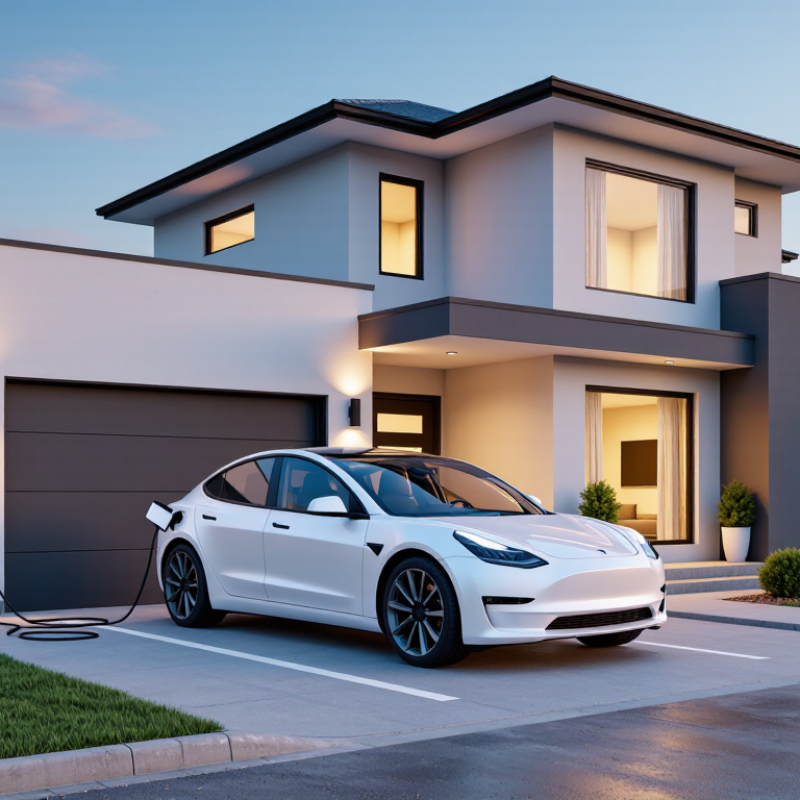
How a Home EV Charger Works
How a Home Ev Charger WorksA home EV charger connects your car to the household electrical supply through a dedicated circuit. When you plug in, the charging unit and vehicle exchange basic information. They confirm that the cable is connected and that power can flow safely. That pause matters.Most home units deliver alternating current, or AC. The car’s onboard charger converts it into direct current, or DC, for the battery. The charging unit also monitors the connection and can stop power if it detects a fault. Some systems let you set a charging schedule, so the car starts later instead of charging as soon as you plug in.The charging speed depends on the unit, the car, and the home’s electrical capacity. A qualified electrician can check whether the circuit and panel can support the installation. In daily use, the routine may be as simple as parking in the driveway and connecting the cable. It is tempting to think every installation works the same way, but cable reach, weather exposure, and household power demand can change the experience. A little planning helps avoid an awkward cable stretch across the garage.
Why Choose an EV Car Home Charger? – How a Home EV Charger Works
| Dimension | How It Works | Practical Detail |
|---|---|---|
| Power source | A home charging unit supplies alternating current (AC) from the household electrical system to the vehicle. | In common North American installations, Level 1 uses a standard 120-volt outlet; Level 2 uses a 208- or 240-volt circuit. Other regions use different residential voltages. |
| AC-to-DC conversion | For AC home charging, the vehicle’s onboard charger converts incoming AC power into direct current (DC) for the battery. | Charging power is limited by the capabilities of both the vehicle’s onboard charger and the electrical supply. |
| Safety communication | The charging equipment and vehicle exchange signals before and during charging. The equipment provides power only when the connection and required safety checks allow it. | Electrical protection and installation requirements depend on local codes and the equipment. A qualified electrician can assess the circuit and installation location. |
| Charging speed | The charging rate depends on available circuit power, the vehicle’s charging limit, battery conditions, and other system limits. | A Level 2 unit can generally deliver more power than Level 1, but actual charging time varies by vehicle and installation. |
| Everyday convenience | The vehicle can be plugged in while parked at home, allowing charging to take place without a separate trip to a public charging station. | A dedicated home setup can make regular charging easier, particularly when the vehicle is parked for several hours or overnight. |
| Charging schedule | Some vehicles and charging units allow users to set a charging schedule or limit charging to a selected battery level. | Available controls vary by vehicle and equipment. Any scheduled charging should follow the vehicle and charger instructions. |
| Cost management | Home charging uses electricity billed under the household’s applicable utility tariff. | The cost per charging session depends on electricity use and the local rate. Time-based rates, where available, may make charging at certain hours less expensive. |
| Choosing a setup | The right setup depends on driving needs, parking access, the vehicle’s connector and power limits, and the home’s electrical capacity. | Check vehicle guidance and local electrical requirements before choosing equipment or arranging installation. |
Everyday Convenience of Charging at HomeWhy Choose an EV Car Home Charger?
A home charger makes everyday EV use feel less like planning a fuel stop. Park after work, connect the cable, and let the car charge overnight. By morning, it is ready for the day’s usual trips. No extra errand. The U.S. Department of Energy’s Alternative Fuels Data Center identifies home charging as a common option for EV drivers. The International Energy Agency’s Global EV Outlook 2024 reports that public charging points worldwide grew by more than 40% in 2023. That expansion is useful, but a public charger still means going somewhere to plug in. Home charging can fit around dinner, laundry, or sleep instead.
A charger beside the driveway can make a rainy evening less complicated. For apartment residents, a shared parking space, landlord approval, or limited electrical capacity can make installation harder. Convenience is not automatic. A qualified electrician can assess the home’s wiring and suitable charging setup before installation. Charging speed also varies with the vehicle, charger, and household electrical supply, so overnight charging may not fully replenish every battery after a long drive. That detail is easy to overlook. Even so, starting most mornings with a charged car can reduce routine detours and make daily driving simpler.
Comparing Home Charging Costs with Public Charging
An Ev Home Car Charger can lower everyday charging costs, especially when your car sits parked overnight. The U.S. Energy Information Administration reported an average residential electricity price of 16.0 cents per kilowatt-hour in 2023. At that rate, adding 60 kWh costs about $9.60 before charging losses, taxes, or equipment costs. For comparison, a public charger priced at 40 cents per kWh would cost $24 for the same energy. That public price is an example, not a national average.
The U.S. Department of Energy’s Alternative Fuels Data Center notes that public charging prices and billing methods vary by station. Some charge by energy, time, or a session fee, so check the posted rate before plugging in. That is illustrative, not universal. A home charger also has an upfront purchase and installation cost, which can change the break-even point. If you mainly use slower home charging, overnight use may suit your routine; public fast charging can still be useful on longer trips. Small detail, big difference. Compare your utility’s off-peak rates with nearby public rates, and include any connection or parking fees.
Choosing a Charger That Fits Your Vehicle and Driving Habits
Choosing an Ev Car Home Charger starts with your daily routine, not the highest advertised charging speed. The International Energy Agency reported that electric-car sales exceeded 14 million in 2023, around 18% of global car sales. More drivers now face this practical choice.
How far do you travel each day?Can your car stay plugged in overnight?
The U.S. Department of Energy’s Alternative Fuels Data Center estimates that Level 1 charging adds about 2–5 miles of range per hour, while Level 2 adds roughly 10–30. These are broad estimates, not promises: your vehicle’s onboard charger, electrical setup, and conditions affect results. A short commute and a long overnight parking window may suit Level 1. Frequent long trips or limited parking time can make Level 2 more useful. Check your vehicle manual and have a qualified electrician assess the circuit before choosing.
I would not buy extra speed without checking the car’s charging limit first.
Tips:
Note your usual daily mileage and overnight parking hours for a week. Compare them with your vehicle’s charging capacity. Small detail, big difference. An Ev Car Home Charger should fit your routine, not an imagined one.
Installation, Electrical Requirements, and SafetyWhy Choose an EV Car Home Charger?
A Home Car Electric Charger can make overnight charging predictable, but safe installation starts with the home’s electrical capacity. The U.S. Department of Energy’s Alternative Fuels Data Center says Level 2 equipment typically uses 208- or 240-volt service and adds about 10–20 miles of driving range per charging hour. Actual speed depends on the vehicle, charger, and circuit. Check the charger’s rated current against the panel’s available capacity; a licensed electrician can assess the load and specify suitable wiring and overcurrent protection.
Panel space matters. So does cable reach. An installer should consider where the car parks, whether the unit needs weather protection, and how the cable avoids walkways or a closing garage door. Requirements differ by location, so follow applicable electrical codes and the charger manufacturer’s instructions. Do not assume an existing outlet is adequate.
One easy assumption deserves a second look.
Safety continues after installation. Use equipment rated for its location, keep connectors dry and undamaged, and stop using the unit if it feels unusually hot or shows visible damage. The International Energy Agency’s Global EV Outlook 2024 reports that electric car sales exceeded 14 million worldwide in 2023, underscoring why dependable charging setup matters.
Still, a larger charger is not automatically better; the home’s wiring sets real limits. A qualified inspection is worth the extra step.
Smart Features and Energy Management for Home Charging
A Home Charger Electric Car setup can do more than refill a battery overnight. A charger with scheduling lets you set a start time, perhaps after household electricity rates drop. Some systems also show charging progress and estimated energy use in an app. These details make it easier to spot a session that ran longer than expected. Features differ, so check compatibility with your vehicle and home electrical supply.
Energy management matters when the oven, dryer, and charger are running together. A charger with load balancing can adjust its output as household demand changes, helping avoid unnecessary strain on the electrical circuit. The screen may show a lower charging rate during busy periods. That can be frustrating. Still, a slower session may be enough for a typical commute, especially when the car stays plugged in for several hours.
Look for clear energy reports and settings you can actually understand. A useful schedule should be easy to change when plans shift, not buried in menus. Smart charging depends on accurate settings, a stable connection, and suitable wiring; an electrician can assess the installation. One detail worth reconsidering: the cheapest charging hours are not always the most convenient. A simple routine that fits your household may work better than constantly chasing small savings.
Portable Charger Wall Mount Bracket: A Simple Way to Keep Charging Stations Organized
Portable Charger Wall Mount Bracket
A portable charger wall mount bracket offers a simple way to keep a charging area tidy and convenient. Instead of leaving a charger on the floor or letting its cable spread across the space, the bracket provides a dedicated place to store the unit when it is not in use. Mounting the charger on a wall can also free up valuable floor space and make the charging setup feel more organized.The bracket is designed to hold a portable EV charger securely for wall-mounted use. Its placement can help keep the charging cable neatly arranged, making it easier to reach when needed and less likely to become tangled or clutter the area. Installation is straightforward, so setting up a more orderly charging station does not require complicated tools or specialized technical skills. With the charger and cable kept together in one accessible spot, everyday charging can be simpler and the surrounding area easier to maintain.
Conclusion
Choosing an Ev Car Home Charger can make everyday driving simpler by allowing you to recharge your vehicle where it is parked. The charger supplies power through a compatible connection, while the vehicle manages the charging process. Plugging in at home can save trips to public charging stations and help ensure your car is ready for the day. Home charging may also cost less than public charging, depending on your electricity plan, charging times, and local rates.The right charger depends on your vehicle, typical daily distance, and available electrical capacity. Before installation, have a qualified professional assess the wiring, circuit, and suitable charger location to support safe operation. Smart features such as scheduled charging, energy monitoring, and adjustable charging times can help you manage household electricity use and make charging more convenient. Together, these considerations help you choose a practical home setup that fits your driving habits and charging needs.
About US
Chengdu AEFA Electronic Technology Co., Ltd. was established in 2015 and is headquartered in Chengdu, Sichuan Province, the science and technology innovation center of southwest China and the hometown of pandas. As a high-tech enterprise specializing in the research, development, production and sales of electric vehicle charging equipment, we have a modern industrial park covering an area of 22 acres and equipped with 15,000 square meters of standard factory buildings, committed to providing high-quality charging solutions for global customers.
Media Contact
Company Name: Chengdu AEFA Electronic Technology Co., Ltd.
Contact Person: Media Relations
Email: Send Email
Country: China
Website: https://www.aefa-evse.com/
Press Release Distributed by ABNewswire.com
To view the original version on ABNewswire visit: EV Car Home Chargers Gain Recognition for Their Practical Charging Advantages


