
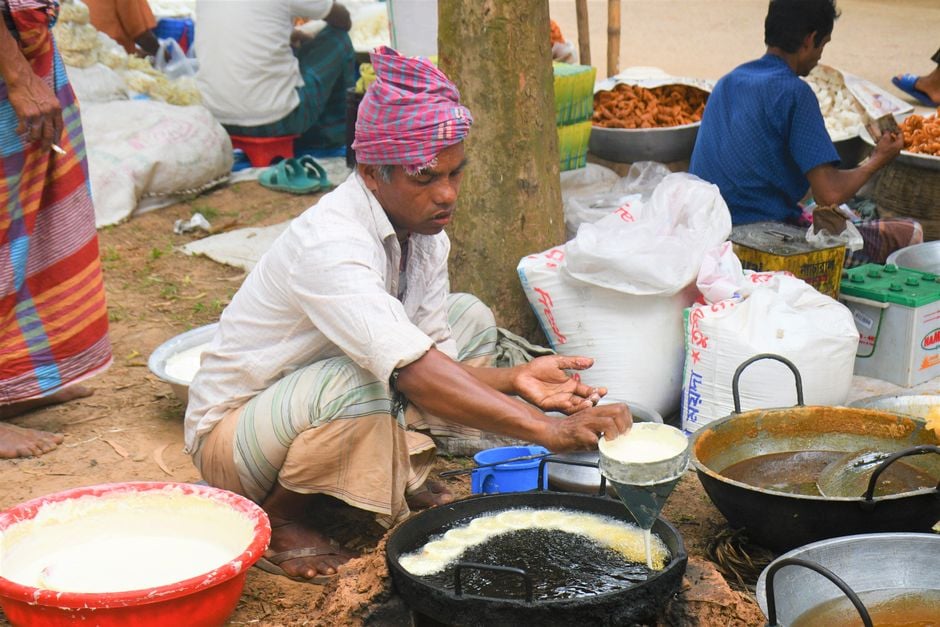
More than 23 million people in Bangladesh face acute food insecurity during periods of crisis, according to humanitarian agencies. While increasing the quantity of food reaching vulnerable families is essential, another factor often determines whether relief efforts truly succeed: providing food that people know how to prepare, regularly eat, and can confidently incorporate into their daily lives. Just as a toolbox is only useful if it contains the right tools for the job, food assistance is most effective when it reflects the nutritional needs, cooking traditions, and cultural preferences of the communities it serves.
Understanding Bangladesh Food Insecurity
Bangladesh has made significant progress in reducing poverty over the past several decades, yet food insecurity remains a serious challenge, particularly in rural areas. Seasonal flooding, cyclones, river erosion, inflation, and disruptions to agricultural production can all limit access to affordable, nutritious food. Many families rely on farming or daily wage labor, leaving them especially vulnerable when crops fail or employment opportunities decline.
Food insecurity is not simply about hunger. It also involves uncertainty over where the next meal will come from, whether families can access balanced nutrition, and how communities recover after natural disasters or economic hardship. These ongoing pressures make reliable food relief in Bangladesh an important component of humanitarian response.
Why Culturally Appropriate Food Aid Matters
Food assistance achieves better results when recipients receive familiar staple foods rather than unfamiliar products. In Bangladesh, meals commonly center around rice, lentils, vegetables, and cooking oil. These ingredients are widely available, nutritionally valuable, and fit naturally into everyday cooking practices.
When essential food packages contain culturally appropriate items, families can prepare meals immediately without needing additional ingredients or unfamiliar cooking methods. This reduces waste, increases acceptance of relief supplies, and helps preserve dignity during difficult circumstances.
Culturally appropriate food aid also acknowledges that nutrition is closely connected to tradition, family routines, and local food systems. Respecting those traditions strengthens community trust while improving the overall effectiveness of humanitarian assistance.
The Importance of Essential Food Packages
Essential food packages are carefully designed to provide practical support for households experiencing temporary or prolonged hardship. Rather than focusing on convenience alone, humanitarian organizations often prioritize foods that offer nutritional value, long shelf life, and widespread familiarity.
Rice and lentils supply the foundation for many emergency food distributions because they provide carbohydrates, protein, and versatility in meal preparation. Additional staples such as cooking oil, salt, or spices may also be included to help families prepare balanced meals using ingredients they already recognize.
Well-designed food packages allow households to meet immediate nutritional needs while reducing the financial burden of purchasing basic necessities during emergencies.
Reaching Rural Communities Presents Unique Challenges
Rural food assistance requires careful planning beyond simply transporting supplies. Many villages are separated by rivers, seasonal flooding, or damaged roads, making deliveries both time-consuming and resource-intensive. Weather conditions can quickly affect accessibility, particularly during the monsoon season.
Successful food relief programs often rely on local volunteers, community leaders, and regional organizations that understand transportation routes and neighborhood needs. These partnerships help identify vulnerable families, coordinate distributions efficiently, and ensure aid reaches people who might otherwise be overlooked.
Community involvement also creates greater accountability and allows organizations to respond more effectively when local conditions change.
Building Long-Term Food Security
Emergency food relief provides immediate assistance, but long-term food security depends on strengthening community resilience. Investments in agriculture, education, disaster preparedness, and local infrastructure all contribute to reducing future food insecurity.
Many humanitarian organizations combine food distribution with broader community initiatives that support sustainable development. By addressing both urgent needs and underlying challenges, relief efforts can help families recover more quickly after crises while improving their ability to withstand future disruptions.
Organizations such as Lotus Ministry demonstrate this balanced approach by combining rural food assistance with broader community support initiatives that seek to improve long-term well-being alongside immediate hunger relief.
Looking Beyond the Next Meal
Bangladesh food insecurity remains a complex challenge shaped by geography, climate, economics, and social conditions. Effective humanitarian responses recognize that successful food relief involves more than delivering calories. Providing culturally appropriate essential food packages filled with familiar staples like rice and lentils helps ensure assistance is practical, accepted, and immediately useful.
As humanitarian organizations continue improving food relief in Bangladesh, culturally informed planning will remain a key factor in delivering meaningful support. When food assistance respects local traditions while addressing urgent nutritional needs, it strengthens not only individual households but also the resilience of entire communities facing uncertain futures.
Lotus Ministry Trust
lotus.ministry.trust@gmail.com
1355 Post St
405
San Francisco
California
94109
United States


