
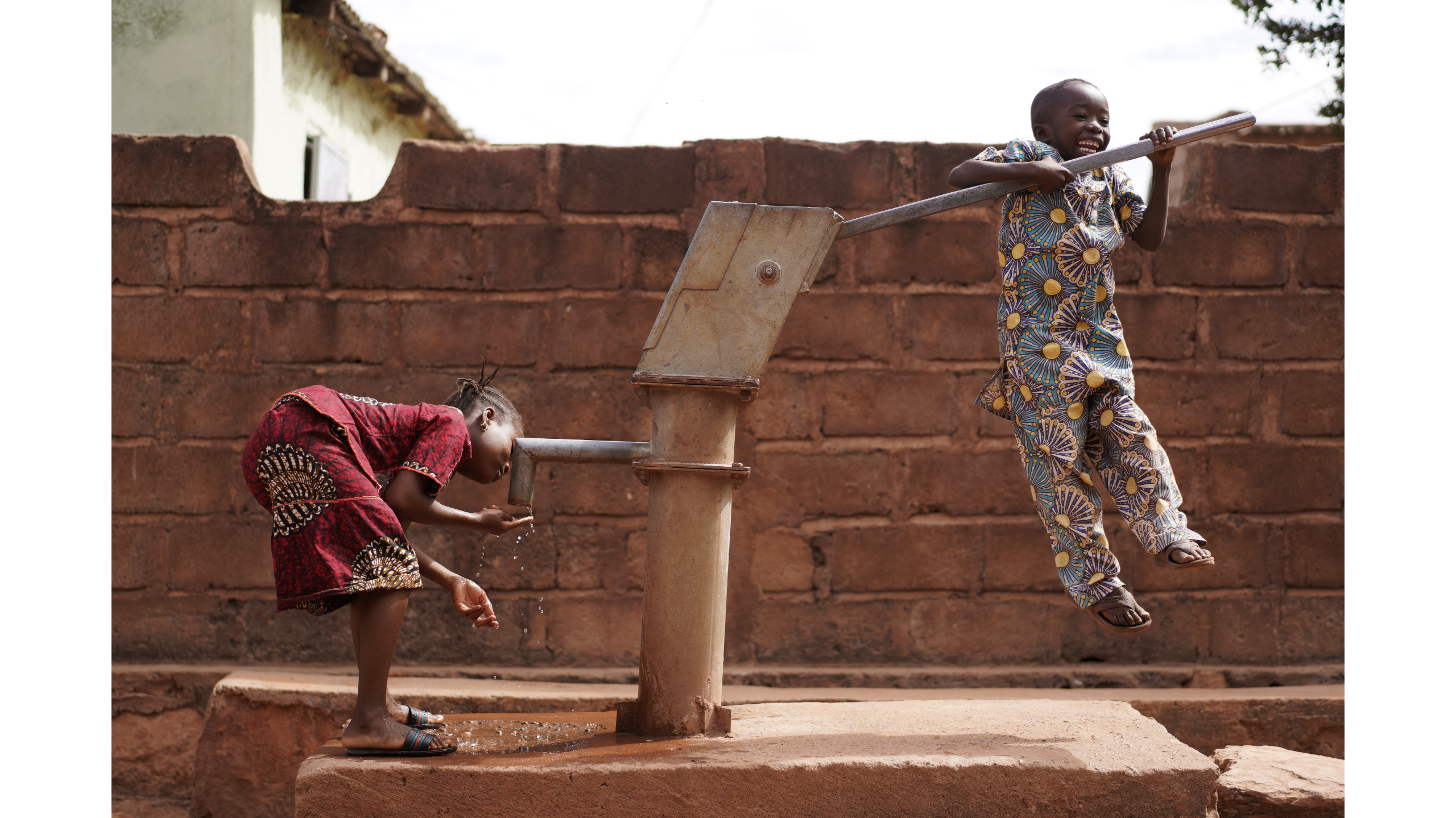
A Problem That Affects Hundreds of Millions
Water covers more than 70% of the Earth’s surface, yet hundreds of millions of people still cannot access a safe, clean supply. In sub-Saharan Africa, this is not an abstraction — it is a daily reality for families who walk hours to reach rivers or unprotected wells, often returning with water that carries a serious risk of disease. And as climate patterns shift and populations grow, the gap between supply and demand is widening rather than closing.
Why The Crisis Persists
The reasons behind the crisis are layered. Poor infrastructure, the effects of climate change, population growth, and limited government investment all play a role. For those looking into clean water charities for Africa, understanding the root causes makes it easier to see why long-term solutions such as wells and sustainable water systems tend to be far more effective than short-term aid deliveries.
What The Research Shows
The scale of the problem is hard to ignore. A 2025 joint report from the World Health Organization and UNICEF found that one in four people globally still lacks access to safe drinking water, with sub-Saharan Africa continuing to face the highest rates of water insecurity of any region. Progress is being made, but not quickly enough for millions who remain without a reliable source.
The Burden Falls Hardest On Women And Girls
Women and girls bear a disproportionate share of the burden. UNICEF has reported that women and girls collectively spend around 200 million hours every day collecting water in communities where it is not available at home. That time cannot be spent in school, earning income, or caring for families. Addressing the water crisis, therefore, carries significant implications for health, education, and economic opportunity.
How Donations Make A Direct Impact
There are several practical ways that ordinary people can help. Donating to a vetted non-profit that funds well construction or water system installation is one of the most direct options. A single community well can provide clean water to an entire village for years. Fundraising within schools, workplaces, or faith communities is another way to increase the reach of individual contributions.
Other Ways To Help
Raising awareness also makes a genuine difference. Many people in wealthier countries are unaware of how widespread the problem is, or how affordable it can be to fund a real solution. Sharing reliable information through social media or community events can prompt others to act. Advocacy, such as contacting elected representatives or supporting campaigns for increased foreign aid directed at water infrastructure, adds another layer of impact.
Volunteering Your Skills
Volunteering skills remotely is increasingly possible, too. Non-profit organizations working in this space often need support with communications, fundraising strategy, translation, or web development. If a financial contribution is not currently possible, offering professional skills can be just as valuable. Many organizations actively welcome volunteers who can help them reach more donors and tell their story more effectively to wider audiences.
Choosing The Right Organization
When choosing where to donate, it pays to look for organizations that are transparent about how funds are used and can demonstrate measurable outcomes. Non-profits focused on clean water access in Africa often publish proof of completed projects, including photos, GPS locations, and progress reports. That kind of accountability matters when making a contribution intended to have a real, lasting impact.
SYNERGY HEALS
114 West Magnolia Street #400-135
SUITE #400-135
Bellingham
WA
98225
United States


