Key Takeaways
- Companion planting groups different plants together to boost health and productivity while naturally deterring pests and improving soil conditions
- This ancient technique forms the backbone of permaculture systems by mimicking natural ecosystem relationships for sustainable food production
- Simple plant pairings can significantly reduce garden maintenance through natural pest control and soil enrichment
- The Three Sisters method demonstrates how corn, beans, and squash work together to maximize yields in minimal space
- Strategic companion gardens attract beneficial pollinators while creating self-sustaining growing environments
Growing food doesn’t have to mean battling nature with chemicals and constant intervention. The most successful gardens work with natural processes rather than against them, creating harmonious plant communities that thrive with minimal human input. Beginner-friendly companion planting resources and permaculture frameworks now make it easier for home growers to understand how different plants can support one another naturally within a garden ecosystem.
Companion Planting Increases Yield While Fighting Pests Naturally
Companion planting is a gardening technique that involves strategically grouping different plants to boost their mutual health and productivity. This method harnesses the natural relationships between plants to create thriving garden ecosystems that require less maintenance while producing better results.
Unlike conventional gardening approaches that treat each plant as an isolated unit, companion planting recognizes that plants in nature rarely grow alone. They form complex relationships where some plants protect others from pests, improve soil conditions, or provide physical support. These plant partnerships mirror natural forest systems, where diversity creates stability and resilience — a principle central to permaculture design.
The beauty of this approach lies in its simplicity and effectiveness. Rather than relying on synthetic pesticides or fertilizers, companion planting uses the inherent properties of plants to solve common garden problems. Some plants naturally repel harmful insects with their scent, while others attract beneficial predators that control pest populations. The result is a more resilient and productive garden system that, with observation and adaptation, can become increasingly self-regulating over time.
Core Permaculture Principles Behind Plant Partnerships
Working with Nature Instead of Against It
Permaculture principles guide gardeners to observe and interact with their environment, catching and storing energy while striving to produce no waste. These foundational concepts directly inform companion planting strategies by encouraging gardeners to work within natural systems rather than imposing artificial solutions.
The three core ethics of permaculture—care for the Earth, care for people, and fair share—translate into companion planting practices that build soil health, reduce labor requirements, and maximize productive output from available space. This approach creates gardens that become more fertile and productive over time, rather than depleting resources.
The Three Sisters Method: Ancient Wisdom in Action
The Three Sisters garden exemplifies companion planting principles through an ancient indigenous agricultural technique that combines corn, beans, and squash in a mutually beneficial relationship. Corn provides a natural trellis for bean vines to climb, while beans fix nitrogen in the soil that feeds both corn and squash plants.
Meanwhile, squash spreads across the ground, creating a living mulch that retains soil moisture and suppresses weeds with its broad leaves. The spiny squash vines also deter raccoons and other animals from accessing the corn. This three-plant system demonstrates how thoughtful plant selection can eliminate multiple garden challenges while increasing overall productivity.
Five Key Benefits for Your Garden
1. Natural Pest Control Without Chemicals
Companion planting provides natural pest control through multiple mechanisms that can significantly reduce the need for synthetic pesticides. Aromatic herbs like basil and marigolds release compounds that repel harmful insects, while flowering plants attract beneficial predators such as ladybugs and parasitic wasps that control pest populations.
Trap crops offer another elegant solution by drawing pests away from valuable plants to sacrificial crops that can be easily removed or treated. This biological approach to pest management creates a balanced ecosystem where beneficial insects outnumber harmful ones.
2. Soil Health Through Nitrogen Fixation
Leguminous plants like beans, peas, and clover form symbiotic relationships with soil bacteria that convert atmospheric nitrogen into plant-available nutrients. These nitrogen-fixing plants essentially fertilize the soil for neighboring plants while improving overall soil structure and fertility.
Deep-rooted companion plants also bring nutrients from lower soil layers to the surface, where shallow-rooted crops can access them. This natural nutrient cycling reduces the need for external fertilizers while building long-term soil health.
3. Maximizing Small Garden Spaces
Strategic companion planting allows gardeners to grow more food in less space by utilizing vertical growing opportunities and complementary growth patterns. Fast-growing crops like lettuce and radishes can be harvested before slower-growing plants like tomatoes need the full space, maximizing garden productivity.
Ground-covering plants maximize space utilization while providing living mulch that conserves water and suppresses weeds. This intensive planting approach is particularly valuable for urban gardeners working with limited growing areas.
4. Attracting Beneficial Pollinators
Companion flowers and herbs create pollinator corridors that attract bees, butterflies, and other beneficial insects needed for fruit and vegetable production. Plants like sunflowers, zinnias, and native wildflowers provide nectar sources throughout the growing season.
These pollinator-friendly companions not only improve crop yields through better pollination but also support broader ecosystem health by providing habitat and food sources for beneficial insects that extend beyond the garden.
5. Less Weeding and Pest Management
Dense companion plantings naturally suppress weeds by shading the soil and competing for resources. Ground-covering plants like creeping thyme or strawberry groundcover create living mulches that prevent weed seeds from germinating while adding beauty to the garden.
This reduced maintenance requirement means gardeners spend less time weeding and more time enjoying their harvest. Over time, a well-planned companion garden can help reduce pest pressure and make day-to-day maintenance more manageable.
Proven Plant Pairings That Work
Tomatoes and Basil: Flavor and Protection
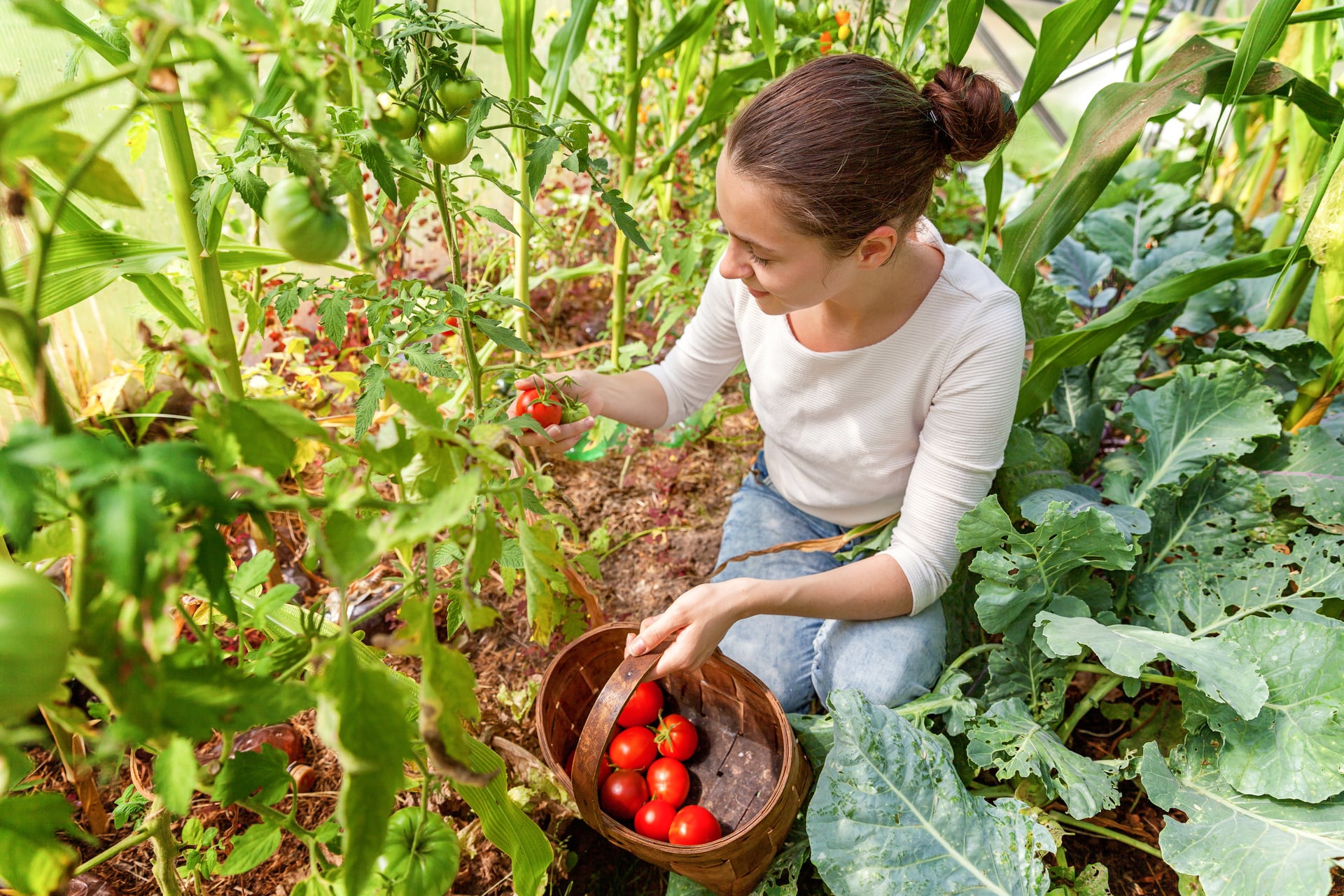
The classic pairing of tomatoes and basil offers both culinary and practical benefits that make it a favorite among gardeners. Basil naturally repels tomato hornworms, aphids, and whiteflies, and its aromatic compounds are also thought by many to improve tomato flavor when grown in proximity.
This partnership also maximizes garden space since basil thrives in the partial shade created by tomato plants during hot summer months. The basil harvest provides fresh herbs for cooking while protecting the tomato crop from common pests that can devastate yields.
Beans and Corn: Support and Nutrients
Pole beans and corn create one of nature’s most efficient growing partnerships. The sturdy corn stalks provide natural support for climbing bean vines, removing the need for trellises or support structures. In return, beans fix nitrogen in the soil that feeds the heavy-feeding corn plants.
This symbiotic relationship increases yields for both crops while reducing garden inputs. The beans can be harvested for fresh eating early in the season, then left to mature and fix nitrogen for next year’s corn crop, creating a sustainable growing cycle.
Start Your First Companion Garden This Season
Beginning gardeners can start small with proven companion combinations like tomatoes and basil, or lettuce and radishes planted between slower-growing crops. The key is observing how different plants interact and building on successful partnerships over time.
Choose companion plants based on your local growing conditions and food preferences, focusing on combinations that address specific challenges in your garden. Whether you’re dealing with pest problems, poor soil, or limited space, companion planting offers practical, natural solutions that tend to get better with every growing season.
Over time, these plant relationships can help transform a garden into a more balanced and resilient ecosystem. As soil health improves and beneficial insects become more established, many gardeners find that their growing spaces require less maintenance while supporting healthier and more productive crops. Even small companion planting changes can gradually contribute to a more sustainable and self-sufficient approach to home gardening.
Permaculture Gardening
763 Dunn Rd
RD 2
Ruawai
Northland
0592
New Zealand