Stop Mold Before It Starts: Why Waterproofing Your Crawlspace Saves Thousands
Hamilton Township, United States – March 16, 2026 / Jeffries Basement Waterproofing /
You’ve probably heard the saying, “Prevention is better than cure,” right? Well, in the case of your home’s crawlspace, this couldn’t be more accurate. Waterproofing your crawlspace may seem like a significant expense at first glance, but it’s generally cheaper than the alternative: mold remediation. Think about it – mold inspections, removal, and restoration can cost you a small fortune, especially if the infestation is severe. But what if there’s more to this cost comparison than meets the eye? Let’s explore the nuances and potential savings that waterproofing could provide.
Key Takeaways
- Crawlspace waterproofing is a preventative measure, often less expensive than mold remediation, which involves costly inspections and professional removal.
- Waterproofing reduces future repair costs associated with water damage, wood rot, and potential pest infestations derived from damp conditions.
- Investment in waterproofing increases home value, whereas the presence of mold can decrease long-term property value and marketability.
- The mold remediation process is complex, necessitating specialized equipment, expertise, and time, increasing overall costs.
- Waterproofing provides immediate protection against water, saving money and time compared to ongoing mold remediation efforts.
Understanding Crawlspace Waterproofing
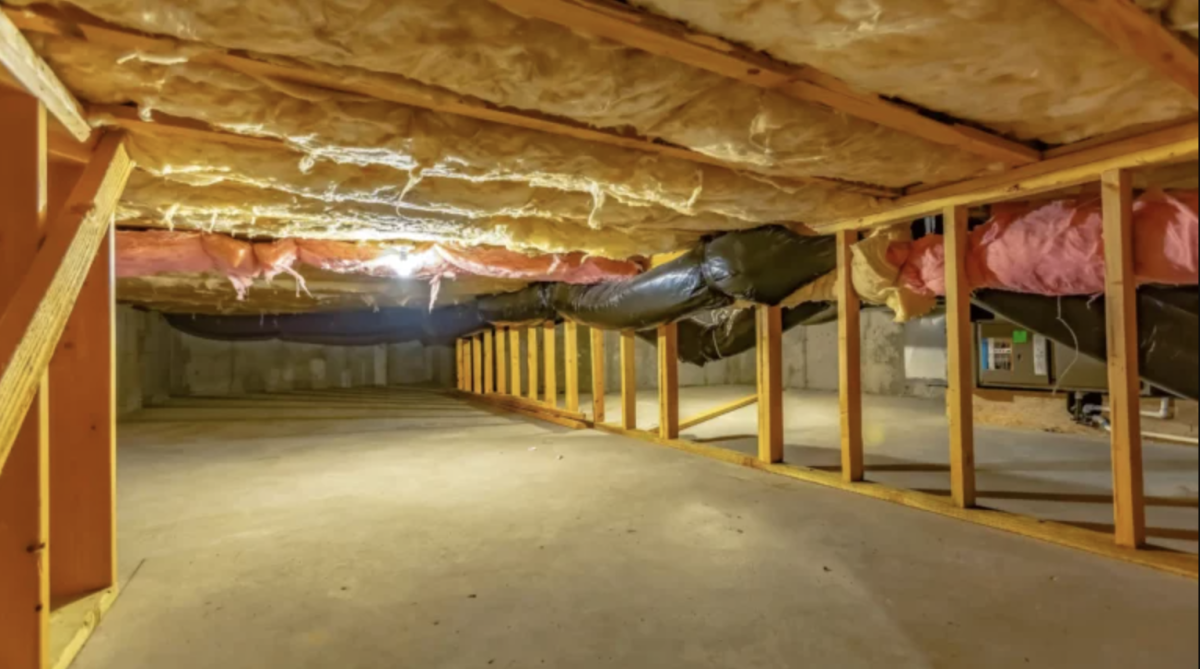 Plunge into the world of crawlspace waterproofing, an essential process that keeps your home protected from the damaging effects of moisture. This isn’t just a luxury, it’s a necessity. Without it, you’re inviting a host of issues, the most dreaded of which is mold growth.
Imagine your crawlspace, that small area beneath your house, as a shield. It’s your first line of defense against the onslaught of water and moisture trying to invade your home. But like any shield, it needs to be reinforced. That’s where crawlspace waterproofing comes in. It’s about taking proactive steps to guarantee that your home’s foundation remains sound.
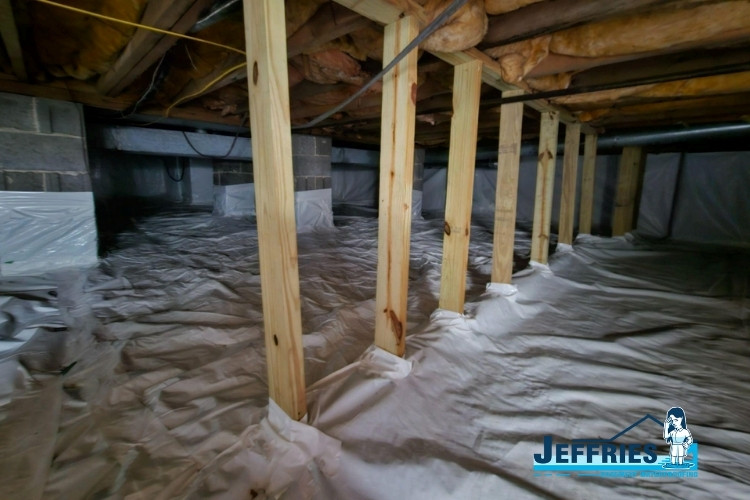
There are several ways you can waterproof your crawlspace. You might use a vapor barrier, which is a large plastic or foil sheet that stops moisture from penetrating your home.
You could also consider a sump pump, which actively removes water that’s collected in your crawlspace.
Or perhaps, you’ll opt for dehumidifiers to control the moisture levels.
The Real Cost of Waterproofing
After learning about different waterproofing methods, you may be wondering about the costs involved. Let’s clear that up. Waterproofing your crawlspace isn’t as expensive as you might think, especially considering the potential costs of neglecting this area.
The total cost can vary dramatically based on the size of your crawlspace and the waterproofing method you choose. On average, you can expect to spend between $1500 to $15,000 on a full waterproofing project. This includes labor costs, materials, and any necessary repairs to the crawlspace.
You might be thinking, “That’s a hefty chunk of change.” It’s important to remember, though, that this is a preventative measure. The money you’re spending now could save you thousands later. When you weigh the cost of waterproofing against potential future expenses like mold remediation, the decision becomes quite clear.
You should also consider the value added to your home. A waterproofed crawlspace can be a selling point, potentially increasing your home’s value.
Plus, it’ll give you peace of mind. Isn’t that worth the investment? Waterproofing your crawlspace isn’t just a practical decision, it’s a financially smart one too.
Mold Remediation Explained
So, you’ve got a mold problem in your crawlspace. Don’t panic, but don’t ignore it either.
Mold remediation is the process you’ll need to tackle this issue head-on. But what exactly is it?
Mold remediation involves identifying, containing, and removing mold. It’s not simply about cleaning the visible mold; it’s about eliminating the source.
Here’s what a typical mold remediation process might look like:
- Identification: A professional will need to inspect your home to identify the type of mold and where it’s located.
- Containment: Once identified, it’s essential to prevent the mold from spreading. This usually involves isolating the affected area.
- Removal: Mold-infested materials will need to be removed and properly disposed of. This could involve tearing out drywall or flooring.
- Cleanup & Prevention: After the mold is removed, the area is cleaned and preventive measures are taken to stop mold from coming back.
Financial Impact of Mold Remediation
You might be surprised by the high costs associated with mold remediation.
It’s not just about the cleanup; you also have to take into account the potential damage that mold can cause over time.
Let’s examine the financial consequences and why it’s essential to address mold issues promptly.
High Costs of Remediation
Dealing with mold can take a hefty toll on your wallet. It’s not just about cleaning up the ugly black spots; it’s about ensuring the safety of your home and health.
You might think it’s just a small problem, but the costs of mold remediation can skyrocket if not handled promptly. High costs arise from the need for specialized equipment and professional expertise.
Here’s a quick breakdown of what you’re up against:
- Inspection Costs: Mold inspections are necessary to identify the type and extent of the mold. Inspections don’t come cheap, and they’re just the first step.
- Removal Costs: Professional mold removal services use advanced techniques and equipment. This expertise comes at a price.
- Restoration Costs: After removal, your home might need repairs or replacements. Drywall, flooring, or even structural elements may need to be restored, adding to the cost.
- Preventative Measures: Ultimately, there’s the cost of preventing future mold infestations. This could involve improving ventilation, reducing humidity, or waterproofing your crawlspace.
Mold Damage Consequences
The financial impact of mold remediation extends far beyond the initial outlay for inspection, removal, and restoration. It’s not just about the money you shell out to professionals for their services.
You’ve got to contemplate the long-term repercussions too. Think about the value of your home. Mold damage can lead to a significant decrease in your property’s value. It’s a red flag for potential buyers or renters, who might be unwilling to take on the cost and hassle of dealing with mold issues. It could mean you’re stuck with a house that’s hard to sell or rent out.
Don’t forget about health costs either. If you or your family members suffer from allergies or respiratory issues, mold presence can exacerbate those conditions. This could lead to hefty medical bills, not to mention the discomfort and inconvenience of dealing with health problems.
Lastly, reflect on the cost of potential litigation. If you’re a landlord and fail to address mold problems, tenants could sue you for negligence. Dealing with lawsuits is stressful and expensive.
Long-Term Benefits of Waterproofing
Let’s talk about the long-term benefits of waterproofing your crawlspace.
You’re not just preventing structural damage to your home, but also reducing health risks for your family.
These two points alone make waterproofing a wise investment.
Preventing Structural Damage
Often, homeowners overlook the importance of waterproofing their crawlspace. You may not realize it, but the health of your home’s structure largely depends on this preventative measure.
Moisture seeping into your crawlspace can lead to considerable structural damage over time, including wood rot and the weakening of your home’s foundation.
By waterproofing your crawlspace, you’re investing in the long-term integrity of your home. This not only prevents costly repairs down the line but also increases your property’s value.
Here are a few specific ways waterproofing helps:
- Wood rot prevention: Moisture breeds fungi, which can cause wood rot. Waterproofing keeps your crawlspace dry and protects the wooden components of your home.
- Foundation protection: Excessive water can weaken your foundation. A waterproof crawlspace keeps the foundation dry and strong.
- Preventing pest infestations: Many pests are attracted to damp areas. By keeping your crawlspace dry, you’re less likely to deal with pest infestations.
- Maintaining property value: A well-maintained, waterproofed home has higher market value.
In the long run, the cost of waterproofing your crawlspace is considerably less than dealing with the aftermath of water damage.
Health Risks Reduction
Over time, a damp and moldy crawlspace can considerably impact your health. It becomes a breeding ground for mold, mites, rodents, and other pests that can cause a range of health problems. These include allergies, asthma, respiratory infections, and even some types of cancer. It’s not something you’d want to deal with.
By waterproofing your crawlspace, you’re fundamentally eliminating these health risks. You’re reducing the moisture that allows mold and pests to thrive. You’re creating a barrier that keeps out water, thereby protecting your home and your health.
It’s a long-term solution that pays off in more ways than one.
But the real benefit? Peace of mind. Knowing that you’ve taken a proactive step to protect your family’s health is priceless.
You’re not just saving money on potential mold remediation; you’re also investing in your family’s wellbeing.
Waterproofing vs. Remediation: A Comparison
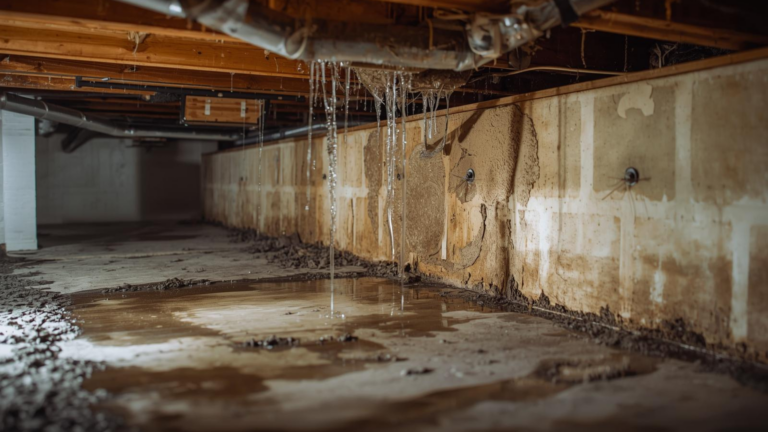 Nearly all homeowners will face the decision of waterproofing versus mold remediation at some point. It’s a tough call, but understanding the core differences can help you make an informed choice.
Let’s break it down:
- Prevention vs. Cure: Waterproofing is a preventative measure. It’s about stopping the problem before it starts.
Mold remediation, on the other hand, is a cure. It deals with a problem that’s already there.
- Cost: Waterproofing your crawlspace can be cheaper than mold remediation.
Preventing water intrusion is typically less labor-intensive and less costly than dealing with a full-blown mold infestation.
- Time: Waterproofing is a one-time task, while mold remediation can be an ongoing process.
If conditions are right, mold can return even after a thorough cleanup.
- Property Value: A waterproofed crawlspace can boost your property value.
It’s a selling point for potential buyers. A history of mold issues, however, might scare them off.
In essence, waterproofing is an investment in long-term peace of mind.
It’s not just about saving money—it’s about safeguarding your health and your home’s value.
Mold remediation, while necessary in some cases, is a band-aid solution.
The choice is yours.
So, you see, investing in crawlspace waterproofing is usually cheaper than mold remediation. It proactively tackles moisture problems, preventing severe damage and expensive repairs down the line. Plus, it enhances your property’s long-term value. In comparison, mold remediation can be a costly process involving extensive professional work. So, isn’t it better to nip the problem in the bud with waterproofing, rather than dealing with the costly aftermath of mold growth?
Contact Information:
Jeffries Basement Waterproofing
100 Horizon Center Blvd
Hamilton Township, NJ 08691
United States
Jermaine Jeffries
(609) 556-4929
https://ihatemywetbasement.com/