How to Safeguard Your Feet from Winter Risks When You Have Diabetes
Florence, United States – February 18, 2026 / Palmetto State Surgical Podiatry Associates /
February marks American Heart Month, but for those living with diabetes in Florence and the surrounding Pee Dee area, it’s also a crucial time to focus on foot health. Cold weather, dry indoor heating, and reduced circulation can create the perfect storm for diabetic foot complications. At Palmetto State Podiatry, we understand the unique challenges our Florence community faces when managing diabetes and foot health during the winter months.
Understanding the Connection Between Diabetes and Foot Health
Diabetes affects approximately 37 million Americans, and foot complications remain one of the most serious—yet preventable—consequences of the disease. When blood sugar levels remain elevated over time, two major problems develop that directly impact your feet: peripheral neuropathy (nerve damage) and peripheral artery disease (reduced blood flow).
Peripheral neuropathy means you may not feel cuts, blisters, or injuries on your feet. Combined with reduced blood flow, even minor wounds can become serious infections. In fact, diabetes is the leading cause of non-traumatic lower limb amputations in the United States, with approximately 130,000 procedures performed annually. However, with proper care and regular podiatric checkups, many of these complications are entirely preventable.
Why Winter Poses Special Challenges for Diabetic Feet in Florence
Florence’s winter weather, while milder than northern states, still presents unique challenges for diabetic foot care. Temperature fluctuations between our chilly mornings (often dipping into the 30s and 40s) and warmer afternoons can cause feet to swell and contract. Indoor heating systems dry out the air, leading to cracked, flaky skin that creates entry points for bacteria.
Additionally, many Florence residents become less active during colder months, leading to reduced circulation—already a concern for those with diabetes. Whether you’re attending events at the Florence Center or simply spending more time indoors near Cherokee Road, maintaining consistent foot care becomes even more critical during winter.
Daily Foot Care Routines Every Diabetic Should Follow
Inspect Your Feet Daily
Make foot inspection part of your morning routine, just like brushing your teeth. Check both feet thoroughly—tops, bottoms, between toes, and around heels. Use a mirror or ask a family member to help check areas you can’t see easily. Look for:
– Cuts, scrapes, or puncture wounds
– Blisters or red spots
– Cracked, dry skin
– Swelling or color changes
– Ingrown toenails
– Unusual odors
If you notice any of these issues, contact our Florence office immediately at (843) 773-6246. Early intervention prevents minor problems from becoming major complications.
Wash and Moisturize Properly
Clean your feet daily with lukewarm water (never hot—test with your elbow if neuropathy affects sensation). Use mild soap and dry thoroughly, especially between toes where moisture can harbor fungus. Apply a quality moisturizing lotion to the tops and bottoms of your feet, but avoid the areas between your toes to prevent fungal growth.
Florence’s winter air can be particularly drying, so don’t skip this step. However, avoid over-the-counter products containing harsh chemicals or alcohol that can further dry delicate skin.
Wear Proper Footwear—Always
Never walk barefoot, even indoors. In Florence homes with hardwood or tile floors (common in our area), splinters, sharp objects, or temperature extremes pose risks. Wear well-fitted, comfortable shoes with adequate cushioning and support. Avoid tight socks that restrict circulation or create pressure points.
If you’re heading out to McLeod Regional Medical Center for appointments or walking around downtown Florence, ensure your shoes are broken in and appropriate for the weather. Custom orthoses can make a significant difference in comfort and preventing pressure ulcers.
The Importance of Professional Diabetic Foot Exams
While daily self-care is essential, professional podiatric examinations are non-negotiable for anyone with diabetes. The American Diabetes Association recommends comprehensive foot exams at least annually, but many patients with existing neuropathy, circulation issues, or previous foot problems should be seen more frequently—sometimes quarterly.
During these appointments, Dr. Lee and our team at Palmetto State Podiatry assess:
– Skin condition and integrity
– Circulation through pulse checks and Doppler testing if needed
– Sensation using monofilament testing
– Structural issues like bunions, hammertoes, or flat feet that create pressure points
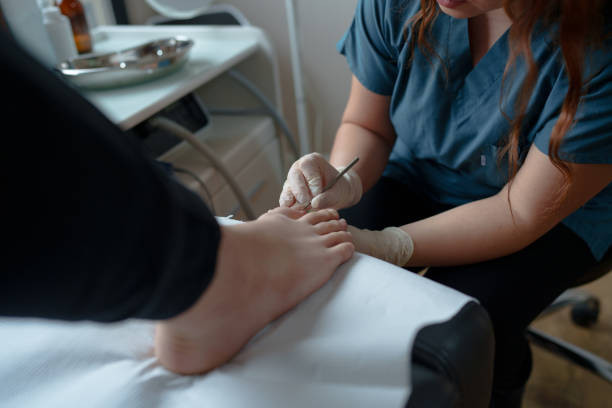
– Nail health and proper trimming technique
– Appropriate footwear fit
These comprehensive exams, available at our office on Cherokee Road across from Piggly Wiggly, often detect problems before you notice symptoms. Early detection means simpler treatments and better outcomes.
Common Diabetic Foot Problems We Treat in Florence
Neuropathy and Loss of Sensation
Peripheral neuropathy typically starts in the toes and progresses upward. You might experience tingling, burning, or shooting pains initially, but eventually, many patients lose sensation entirely. This “silent danger” means injuries go unnoticed until they’re infected or severely damaged.
Our laser treatments offer cutting-edge relief for neuropathic pain, while our comprehensive management approach helps prevent the devastating complications of undetected injuries.
Ulcers and Wound Care
Diabetic foot ulcers affect approximately 15% of people with diabetes at some point. These open sores, often developing on pressure points like the ball of the foot or heel, require immediate professional attention. At Palmetto State Podiatry, both Dr. Lee and Dr. Baker are highly skilled in advanced wound care techniques.
We’ve treated countless ulcers successfully, using state-of-the-art approaches that promote healing while preventing infection. Our wound care doesn’t just treat the immediate problem—we address underlying causes like improper footwear, gait abnormalities, or structural deformities to prevent recurrence.
Fungal Infections and Nail Problems
Diabetes increases susceptibility to fungal infections of the skin and nails. What might seem like a cosmetic issue in a non-diabetic person can become a serious health risk for someone with diabetes. Unsightly or fungal nails left untreated can lead to secondary bacterial infections.
We offer multiple treatment options, including our FDA-approved laser therapy, which effectively treats fungal nails without the potential liver complications of oral medications. Florence residents appreciate our affordable, effective approach to this common problem.
Structural Deformities
Bunions, hammertoes, and other structural issues create pressure points where ulcers commonly develop. While these conditions affect many people, they pose particular risks for diabetic patients who may not feel the discomfort that would normally prompt treatment.
Whether you need conservative treatments or surgical intervention, our team stays with you throughout the entire process. Unlike some practices that refer surgical cases elsewhere, Dr. Lee and Dr. Baker provide continuity of care from diagnosis through recovery.
Creating a Diabetic Foot Care Plan That Works
Managing diabetes successfully requires a team approach. Beyond your primary care physician and endocrinologist, your podiatrist plays a crucial role in preventing complications. Here’s how to create a comprehensive foot care plan:
Schedule Regular Appointments
Don’t wait for problems to develop. Schedule your podiatric appointments in advance, just like your other diabetes management visits. Our Florence office offers convenient hours Monday through Thursday from 8:30am to 5:00pm, and Friday mornings from 8:30am to 12:00pm, making it easy to fit appointments into your schedule.
Maintain Blood Sugar Control
While podiatric care addresses foot-specific issues, nothing replaces good overall diabetes management. Work closely with your medical team to keep blood sugar levels within target ranges. Better glucose control means better healing, reduced infection risk, and slower progression of neuropathy and circulation problems.
Stay Active Safely
Exercise improves circulation, helps control blood sugar, and maintains healthy weight—all beneficial for foot health. However, choose activities carefully. Walking is excellent, but ensure you have proper footwear and inspect your feet before and after exercise. Swimming and water aerobics (popular at Florence area gyms and the YMCA) reduce foot pressure while providing great cardiovascular benefits.
Know When to Seek Emergency Care
Some foot problems require immediate attention. Contact our office at (843) 773-6246 immediately or visit the emergency room if you experience:
– Signs of infection: increased warmth, redness, swelling, pus, or red streaks
– Sudden color changes in your foot (very pale, blue, or black)
– Severe pain (even if you typically have reduced sensation)
– Any open wound or ulcer
– A foot injury that breaks the skin
Advanced Treatments Available Right Here in Florence
Palmetto State Podiatry brings cutting-edge treatments to our Florence community. You don’t need to travel to Columbia or Charleston for advanced care. Our offerings include:
Laser Therapy
Our FDA-approved laser effectively treats multiple conditions from plantar warts to arthritis pain. For diabetic patients, it’s particularly valuable for treating fungal nail infections without systemic medications and for promoting healing in chronic wounds.
Custom Orthotics
Properly fitted custom orthoses redistribute pressure across your foot, preventing the concentrated stress that leads to ulcers. We create custom moldings during your appointment and work to make them affordable regardless of insurance coverage.
Advanced Wound Care
Our physicians have specialized training in wound care dating back to medical school—not something every provider can claim. We use evidence-based protocols, advanced dressing materials, and when appropriate, biologics to promote healing in even stubborn wounds.
Same-Day Treatments
We understand that foot problems don’t wait for convenient appointment times. Our goal is to eliminate or at least reduce your symptoms the same day as your appointment whenever possible. Many procedures, including ingrown toenail removal, can be performed during your visit, allowing you to drive home and return to normal activities quickly.
Frequently Asked Questions About Diabetic Foot Care
How often should diabetics see a podiatrist, even if they don’t have foot problems?
At minimum, every diabetic should have a comprehensive foot exam annually. However, if you have any of the following, you should be seen more frequently—typically every 3-6 months: existing neuropathy, history of foot ulcers, circulation problems, structural deformities like bunions or hammertoes, vision problems that make self-inspection difficult, or difficulty reaching your feet. Regular preventive visits catch problems before they become emergencies and establish baseline measurements that help us track changes over time.
Can I treat minor cuts or blisters at home, or should I always call the doctor?
Even minor injuries require careful attention when you have diabetes. For very small cuts or scrapes with no signs of infection, you can clean gently with mild soap and water, apply antibiotic ointment, and cover with a clean bandage. However, monitor closely for any signs of infection (increased redness, warmth, swelling, or drainage), and check the wound daily. If healing doesn’t progress normally within 24-48 hours, or if you notice any concerning changes, call our Florence office immediately at (843) 773-6246. When in doubt, it’s always better to have us evaluate—early intervention prevents minor issues from becoming major complications.
What’s the difference between regular shoes and diabetic shoes, and do I need them?
Diabetic shoes feature several protective design elements: extra depth to accommodate deformities or custom orthoses without creating pressure, wider toe boxes to prevent cramping, seamless interiors to avoid rubbing, cushioned insoles that distribute pressure evenly, and rigid soles that protect against punctures. Not every diabetic needs specialized shoes, but they’re essential for those with neuropathy, structural deformities, history of ulcers, or circulation problems. During your appointment, we’ll assess your specific needs and provide recommendations. Many insurance plans, including Medicare, cover diabetic shoes when medically necessary—we can help you navigate this process.
Is it safe to use heating pads or foot soaks if I have diabetic neuropathy?
This is a critical safety concern that many patients don’t realize. If you have reduced sensation from neuropathy, you cannot reliably gauge water temperature or heating pad intensity, making burns a serious risk. Never use heating pads, hot water bottles, or electric blankets on your feet. When soaking feet (which should be brief and infrequent as it dries skin), test water temperature with your elbow or a thermometer—it should never exceed 90-95°F. Better yet, avoid foot soaks entirely and simply wash feet during your regular shower with lukewarm water. If your feet are cold, wear warm socks rather than applying direct heat.
Your Partners in Diabetic Foot Health
Living with diabetes presents daily challenges, but foot complications don’t have to be inevitable. With proper care, regular professional monitoring, and prompt treatment when issues arise, you can maintain healthy, functional feet for life.
At Palmetto State Podiatry, we’ve been serving the Florence area and surrounding Pee Dee region since 2016, though our physicians have been treating patients here for over eight years. We maintain privileges at McLeod Regional Medical Center, Carolinas, Carolina Pines, and HealthSouth Rehabilitation Center, ensuring continuity of care if hospitalization becomes necessary.
Our approach is personal and local. We live in this community, understand our patients’ lifestyles, and are committed to delivering the highest quality care with compassion. Whether you need routine preventive care, treatment for an existing problem, or are dealing with a diabetic foot emergency, our team is here for you.
Take the First Step Toward Healthier Feet
Don’t wait for problems to develop. If you’re living with diabetes in Florence, Hartsville, Darlington, or anywhere in the Pee Dee area, schedule your comprehensive diabetic foot exam today. Early prevention and regular monitoring are the keys to avoiding serious complications.
Call our friendly team at (843) 773-6246 to schedule your appointment. We’re conveniently located at 230 Cherokee Road in Florence, right across from Piggly Wiggly down by Irby Street. Our office hours are Monday through Thursday from 8:30am to 5:00pm, and Friday from 8:30am to 12:00pm.
Visit our website at palmettostatepodiatry.com to learn more about our complete range of services and meet our team. Your feet carry you through life—let us help you keep them healthy.
Palmetto State Podiatry is committed to providing the Florence community with expert, compassionate foot care. From diabetic wound care to laser treatments, custom orthotics to surgical solutions, we offer comprehensive podiatric services all under one roof. Our team approach ensures you receive consistent, personalized care throughout your treatment journey.

Contact Information:
Palmetto State Surgical Podiatry Associates
230 Cherokee Rd
Florence, SC 29501
United States
Misty Lee
(843) 773-6246
https://www.palmettostatepodiatry.com/


Original Source: https://www.palmettostatepodiatry.com/media-room