Quick-Install Steel Structures for South Carolina Projects This December
Timmonsville, United States – December 16, 2025 / Delta Building Systems /
Pre-engineered metal buildings (PEMBs) are factory-fabricated steel structures whose components are manufactured off-site, shipped, and quickly assembled on prepared foundations. The “December Delights” concept highlights why year-end months in South Carolina present a prime window for accelerated PEMB delivery, enabling businesses to close projects before Q1 operational cycles begin. Readers will learn why PEMBs shorten on-site schedules, how regional climate and permitting make December builds practical in South Carolina, and what project steps must be in place to hit tight year-end deadlines. For local organizations seeking a streamlined, single-source approach to fast steel buildings, Delta Building Systems Inc. provides design-build coordination and local contractor expertise to help translate accelerated PEMB advantages into delivered projects. This article walks through the technical drivers of speed, seasonal logistics for December construction, a design-build timeline that compresses weeks from typical schedules, and the secondary benefits of quick PEMB delivery like cost-efficiency and long-term durability.
Why Are Pre-Engineered Metal Buildings Ideal for Quick Construction in South Carolina?
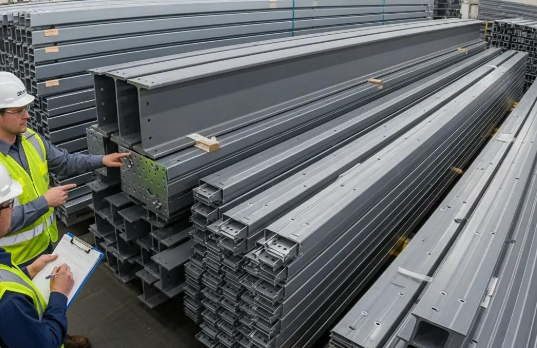
Pre-engineered metal buildings accelerate construction by moving major fabrication tasks off-site into controlled manufacturing environments, which reduces on-site labor and weather exposure while enabling predictable assembly sequencing. This off-site fabrication shortens on-site erection to a fraction of conventional builds and reduces dependency on multiple trades arriving sequentially. In South Carolina, quicker enclosure reduces humidity- and storm-related rework and allows systems like roof panels and wall insulation to be installed promptly. Understanding these mechanics helps owners see why PEMBs are a top choice for businesses needing rapid commercial or industrial space.
Different factors map directly to measurable schedule improvements, shown in the following comparison of prefab components and assembly time.
Prefab components comparison:
Steel frames
-
Typically fabricated in the manufacturer’s shop
-
On-site assembly usually takes 1–2 weeks for frame erection
Roof panels
-
Factory pre-cut and punched
-
On-site installation typically takes 2–4 days
Wall panels
-
Delivered as pre-finished panels
-
Enclosure installation generally takes 3–5 days
Insulation systems
-
Supplied as pre-cut batts or panels
-
On-site installation typically takes 1–3 days
What Factors Enable Faster Construction with Pre-Engineered Metal Buildings?
PEMB speed stems from standardized components, controlled fabrication, and simplified connections that reduce field labor and coordination complexity. Manufacturers deliver pre-drilled, fit-tested frames and panels that minimize onsite adjustments, which shortens erection and commissioning windows. Standardization also reduces the number of specialty trades required simultaneously, allowing predictable crews to complete work faster. These factors collectively cut calendar risk and make overlapping tasks—like foundation work and procurement— safer and more efficient.
How Does South Carolina’s Climate Influence PEMB Construction Speed?
South Carolina’s generally moderate winters and localized storm patterns mean December projects often avoid prolonged cold-weather delays that impact concrete curing and finish trades. Quick enclosure provided by PEMBs reduces exposure to humidity and storm events, limiting rework and corrosion risk during assembly. Additionally, engineered designs account for regional wind and moisture loads, so permitting reviewers can often approve resilient PEMB specifications rapidly. These climate and engineering alignments reduce both inspection friction and post-build corrections.
How Does the December Delights Concept Maximize Year-End PEMB Construction?
“December Delights” refers to the strategic advantage of scheduling PEMB projects to finish at year-end, leveraging lower demand for crews, potential fiscal-year budgeting benefits, and the desire to begin Q1 operations in new space. Completing construction in December can reduce operational downtime and position businesses to occupy facilities as soon as the calendar flips, which is attractive for warehouses and distribution centers. The seasonal window requires tight coordination but offers logistical upsides such as more available subcontractor capacity and streamlined procurement cycles. Owners who plan early and prioritize parallel workflows benefit most from this year-end opportunity.
Key December benefits often include operational, scheduling, and fiscal advantages:
-
Reduced Downtime: Finishing in December lets businesses start Q1 with new capacity.
-
Lower Seasonal Demand: Some subcontractors and suppliers have more availability late in the year.
-
Procurement Sync: Manufacturers often have predictable December shipment schedules for PEMB orders.
These tactical advantages combine with PEMB speed to make December a compelling build window for many South Carolina projects.
What Are the Benefits of Building Metal Structures in December in South Carolina?
Building in December can align construction closeout with fiscal planning and seasonal operational pauses, allowing teams to mobilize without interrupting peak business cycles. Suppliers and erectors sometimes have more open schedules at year-end, which helps owners secure favorable delivery and erection dates. The faster enclosure achievable with PEMBs reduces the exposure period to winter moisture, and expedited commissioning can deliver usable square footage before January operations ramp up. Taken together, these benefits can translate into faster revenue capture and reduced indirect costs for businesses.
Can Pre-Engineered Metal Buildings Meet Tight Year-End Deadlines?
Yes—PEMBs can meet year-end deadlines when critical prerequisites are in place: finalized design approvals, completed site preparation, and procurement placed early enough for factory schedules. A realistic high-level timeline for an average commercial PEMB might include 4–8 weeks for fabrication, 1–3 weeks for site prep and foundation, and 1–3 weeks for erection and enclosure, with overlap possible through design-build coordination. Owners should prioritize approved drawings and expedited permitting, and consider parallel procurement for long-lead items. With those steps, December completions become feasible rather than aspirational.
How Does Delta Building Systems Inc.’s Design-Build Process Accelerate Metal Building Projects?
Integrated design-build compresses schedules by combining design, permitting, procurement, and construction under single coordination, which reduces handoffs and prevents schedule gaps. Delta Building Systems Inc., as a local South Carolina design-build provider and general contractor, leverages its license and on-the-ground expertise to coordinate manufacturer interactions, speed permitting, and manage foundation and site teams concurrently. This single-point accountability reduces RFIs and rework while enabling parallel workflows that shave weeks from typical timelines. The combined effect is faster delivery with consistent quality control tailored to regional code and climate requirements.
Design-build phases and where time savings occur:
-
Concept & Schematic: Rapid alignment on scope shortens approval cycles.
-
Detailed Design & Manufacturing Coordination: Early manufacturer input reduces change orders.
-
Permitting & Site Prep: Local permitting know-how accelerates approvals.
-
Fabrication & Erection: Parallel procurement and site work compress total schedule.
The next list maps these design-build steps to typical weeks saved through integrated delivery.
- Integrated Design: A single coordinator aligns all specifications, typically saving 1–3 weeks.
- Permitting: Leveraging local expertise reduces review times, saving 1–2 weeks.
- Procurement: Materials can be ordered concurrently with design, saving 1–4 weeks.
- Site Coordination: Foundations and delivery schedules can overlap, saving 1–3 weeks.
What Is the Integrated Design-Build Approach for Pre-Engineered Metal Buildings?
The integrated design-build approach assigns one team responsibility from concept through commissioning, enabling overlapping tasks and fewer approvals between parties. Early involvement of the manufacturer during design avoids late-stage modifications, and digital tools like CAD or BIM improve dimensional accuracy, cutting fabrication rework. Concurrent site preparation while the factory fabricates components allows erection to begin almost immediately upon delivery. This coordinated method reduces interruptions and accelerates the overall project timeline.
How Does Design-Build Improve Construction Timelines and Quality?
Design-build improves timelines by consolidating communication, reducing RFIs, and eliminating gaps between designers and builders that typically cause delays. Quality gains arise from coordinated specifications, single-source vendor selection, and continuous accountability that limit change orders and defects. Faster issue resolution is routine because the same team manages both design decisions and on-site implementation, which also improves cost predictability and reduces schedule risk. These outcomes make design-build especially effective for time-sensitive PEMB projects.
What Are the Additional Benefits of Quick PEMB Construction Beyond Speed?
Fast PEMB delivery yields secondary advantages such as lower overall project labor costs, reduced business interruption, and sustainability benefits from factory-controlled waste reduction and recyclable steel. Rapid enclosure also shortens exposure to weather, minimizing moisture-related problems and ongoing maintenance liabilities. Over the building lifecycle, owners often see predictable operating costs, lower maintenance, and strong durability against regional threats like humidity and wind. These advantages extend value beyond the initial schedule acceleration and influence long-term ROI.
Cost and benefit summary:
- Lower on-site labor and downtime help reduce soft costs for owners.
- Galvanized steel and engineered connections increase durability and lead to lower maintenance.
- Using materials that create less on-site waste and are recyclable improves sustainability.
- Designing structures for regional loads enhances performance and results in fewer repairs after storms.
How Do Pre-Engineered Metal Buildings Offer Cost-Efficiency in South Carolina?
PEMB cost-efficiency comes from predictable factory pricing, fewer on-site labor hours, and reduced contingency due to standardized components. Shorter construction periods mean less business interruption and earlier revenue generation for commercial tenants. Procurement predictability and minimized material waste lower overall project budgets compared with many stick-built alternatives. These economic advantages make PEMBs particularly attractive for industrial warehouses and commercial operations mindful of lifecycle costs.
Why Are PEMBs Durable and Weather-Resistant for South Carolina Conditions?
PEMBs use engineered steel frames, protective coatings like galvanization, and properly detailed roof and wall systems that resist corrosion and wind uplift when designed to regional codes. Moisture control through rapid enclosure reduces the likelihood of mold and rot common in humid climates, and steel structures avoid pest-related degradation typical of wood. When specified for South Carolina wind and humidity loads, PEMBs provide resilient shelter with lower long-term maintenance needs.
For South Carolina businesses ready to explore fast PEMB delivery, Delta Building Systems Inc. can provide local design-build coordination and project management to pursue year-end schedules and rapid turnarounds. Contact Delta Building Systems Inc. to request a quote or consultation through their website or Google Business Profile to discuss accelerated PEMB timelines and readiness for December construction.

Contact Information:
Delta Building Systems
3116 N Sally Hill Rd
Timmonsville, SC 29161
United States
Keith Hill
(843) 413-1712
https://www.deltabuildingsystemsinc.com


Original Source: https://deltabuildingsystemsinc.com/media-room/#/media-room

