How to Leverage Data from Your Calibration Systems for Continuous Improvement
Charlotte, United States – October 30, 2025 / F D Hurka Metrology /
Charlotte, NC — In modern industries, accurate measurement is a top priority. Companies face challenges like product recalls, failed inspections, or unexpected downtime when calibration systems are neglected or used passively. F. D. Hurka Company, based in Charlotte, NC, supports industries that rely on precision calibration systems to avoid these problems.
Data collected from calibration activities gives companies valuable insight into how well their tools and equipment are performing. This data can help reduce waste, prevent equipment failures, and meet compliance rules without last-minute rushes or costly setbacks. Businesses across aerospace, automotive, food, and healthcare can improve how they manage operations by actively using the data collected from their calibration systems.

What Are Calibration Systems?
Calibration systems include the instruments, processes, and procedures used to adjust and check the accuracy of measuring tools. These systems confirm that measurements are correct and match known standards. This is important for meeting production requirements and staying in line with industry regulations.
Using a precision calibration system helps companies reduce measurement errors, improve process control, and maintain product consistency. Regular calibration reduces the risk of small errors growing into large problems and supports customer trust in products and services.
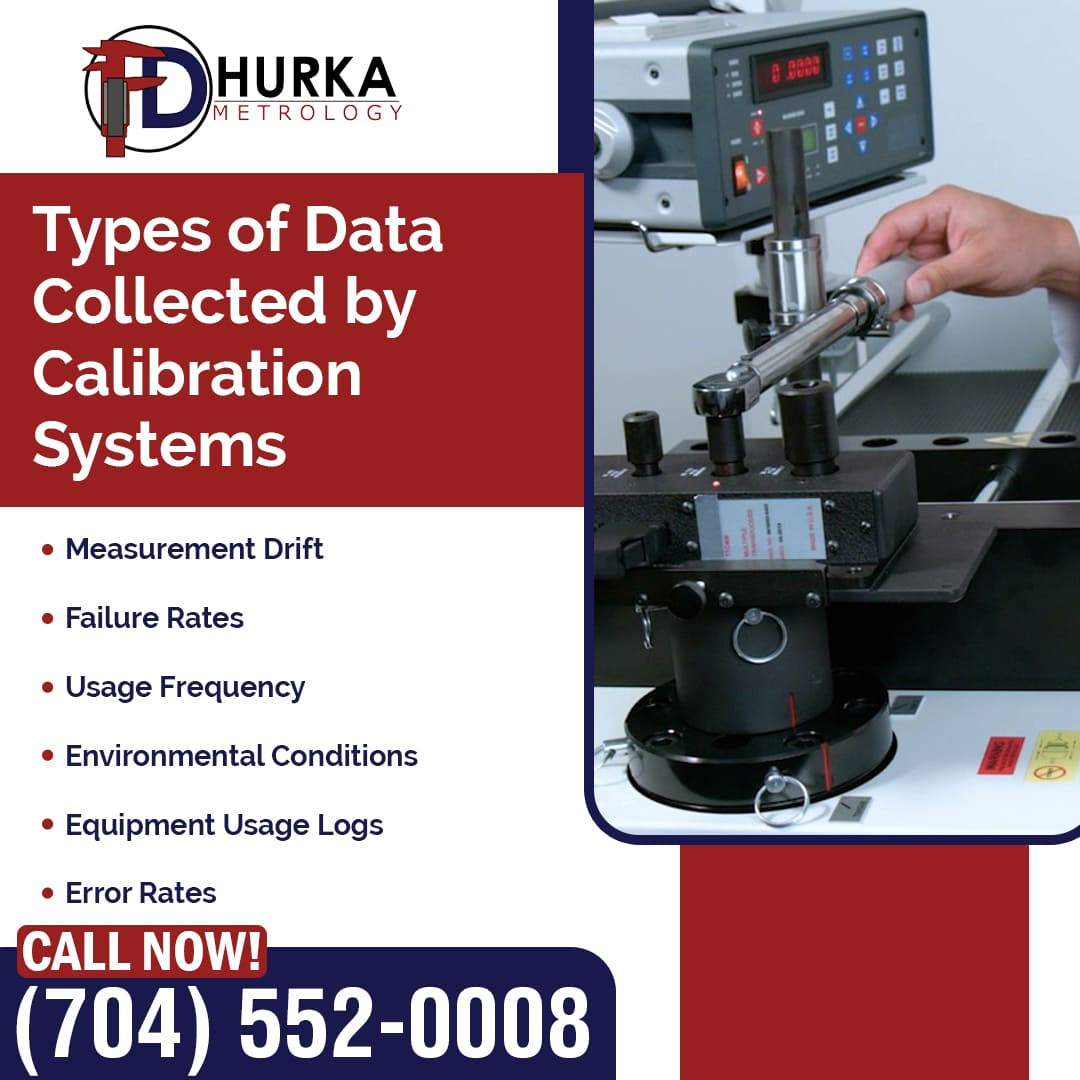
Types of Data Collected by Calibration Systems
Measurement Drift
Measurement drift happens when tools slowly become less accurate over time. Environmental factors like temperature or wear and tear often cause this. By tracking drift, companies can recalibrate tools before issues arise.
Failure Rates
Failure rates tell how often tools break down or give inaccurate readings. When failure rates are high, it can point to poor maintenance, bad usage habits, or outdated tools. By studying this data, companies can fix problems early and prevent downtime.
Usage Frequency
How often a tool is used matters. High-use equipment may need more frequent checks. Data on usage frequency helps prioritize which tools need attention and when saving time and maintenance costs.
Environmental Conditions
Calibration systems can record conditions like humidity and temperature. These details affect measurement accuracy. If tools are used in extreme conditions, they may need extra care or more frequent calibration to stay reliable.
Equipment Usage Logs
Usage logs record how often and how long each tool is used. This helps in planning maintenance and tracking wear and tear. Companies can use this data to schedule service before tools start causing problems.
Error Rates
Error rate data shows how often measurements are outside accepted limits. If errors happen often, it could mean a tool is failing or being used incorrectly. Tracking this helps adjust calibration intervals and reduce risk.
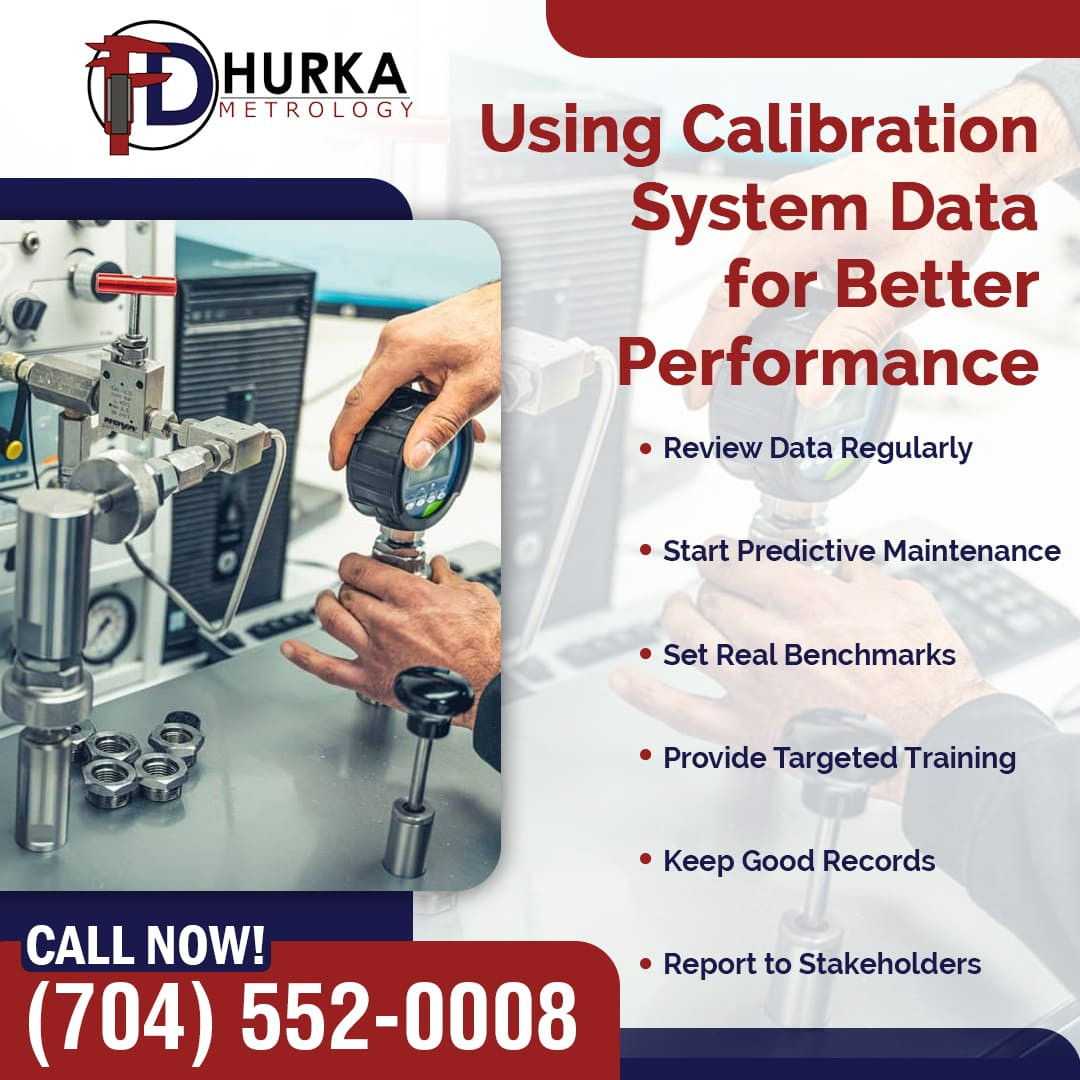
Using Calibration System Data for Better Performance
Review Data Regularly
Reviewing data on a set schedule, weekly or monthly, helps spot trends before they become problems. Businesses can set alerts when tools drift too far from accurate readings.
Start Predictive Maintenance
Predictive maintenance uses past data to plan future maintenance. If a tool often drifts during hot weather, teams can schedule recalibration during warmer months before issues arise.
Set Real Benchmarks
Benchmarks are performance goals based on past data. For example, if a tool should stay within ±1% drift and it goes beyond that, it needs calibration. Benchmarks help measure improvement and identify weak points.
Provide Targeted Training
If failure data shows that tools break more often when used by certain operators, training can fix the problem. Calibration data helps guide which areas need more staff support.
Keep Good Records
Well-organized calibration records help with audits and internal checks. Digital logs of calibration dates, test results, and service actions keep everyone on the same page and avoid miscommunication.
Report to Stakeholders
Sharing calibration performance with quality teams or leadership builds trust and helps improve accountability. Short, clear reports based on calibration data encourage informed decisions and better results.
The Role of F. D. Hurka Metrology
F. D. Hurka Metrology has been providing calibration services since 1970. Based in Charlotte, NC, the company serves businesses in aerospace, automotive, manufacturing, and other industries.
Their ISO 17025:2017 accredited lab offers both in-house and on-site calibration. They help clients collect and use data on drift, usage, failure rates, and environmental conditions to improve reliability and extend equipment life.
F. D. Hurka supports proper documentation, predictive maintenance, and smart data use. This helps clients reduce errors, maintain compliance, and improve quality control.

Wide Service Area and Capabilities
Though based in Charlotte, NC, F. D. Hurka Metrology offers services across several southeastern states, including Alabama, Georgia, South Carolina, Virginia, Mississippi, and Florida.
Their offerings include:
-
Dimensional calibration
-
Electrical calibration
-
Contract inspection
They focus on helping clients build reliable calibration processes that support long-term success without overwhelming costs or complexity.
Contact F. D. Hurka Metrology
To learn how your business can benefit from better use of calibration data, contact F. D. Hurka Metrology. With a long-standing track record and strong regional support, they’re ready to help you turn measurement data into real operational gains.
Making the Most of Calibration System Data
Organizations that use calibration data correctly can improve product quality, reduce waste, and avoid costly failures. A precision calibration system doesn’t just help meet rules, it also helps companies plan and work more efficiently.
By collecting and analyzing the right data, businesses can move from reactive fixes to proactive improvements. F. D. Hurka Metrology supports this approach with reliable service, proper recordkeeping, and practical guidance for industries that depend on accurate measurements.

Contact Information:
F D Hurka Metrology
4731 Stockholm Ct
Charlotte, NC 28273
United States
Charles Meredith
https://www.fdhurka.com/

Original Source: https://www.fdhurka.com/calibration/how-to-leverage-data-from-your-calibration-systems/