Trusted electricians in Trenton, TN, discuss types of holiday lights and how to install and inspect them.
Trenton, United States – October 30, 2025 / Parham Heating, Cooling, Plumbing & Electric /
Be Safe When Getting Holiday Lights and Decor Ready
Creating a show‑stopping seasonal display starts with smart electrical safety when decorating for the holidays. The goal is a magical glow without preventable hazards. This overview shares practical fire‑prevention tips for holiday lights and holiday decorations—covering Halloween decorations, Christmas lights, and outdoor Christmas lights—so the season stays festive and safe.
Incandescent vs. LED Holiday Lights
 The choice between incandescent Christmas lights and LED Christmas lights affects both electrical safety and operating costs. LED lights draw significantly less power than traditional incandescent strands, which can help reduce circuit load when large displays are in use for extended periods. They also run notably cooler, reducing the likelihood of heat-related problems around dry greenery, paper ornaments, or fabric decorations.
That temperature difference matters. Incandescent Christmas lights can become quite warm to the touch, which increases the risk when placed near flammable materials. By contrast, LED lights generally remain cool and are less prone to heat-induced issues, making them a safer choice for wreaths, garlands, and indoor trees. LEDs tend to be more durable as well, with many products featuring shatter‑resistant construction that tolerates outdoor conditions better than older glass bulbs.
Longevity is another advantage. Quality LED Christmas lights frequently outlast many seasons, offsetting the higher upfront cost with fewer replacements and less waste. Because LED strings use less power, they reduce strain on outlets and extension connections—an important factor when multiple sets of outdoor Christmas lights share a circuit. In short, LED holiday lights offer a strong blend of safety, durability, and efficiency for both indoor Christmas decorations and yard displays.
Inspecting and Testing Holiday Lights
Before hanging a single strand, a careful inspection is essential. Check each set of holiday lights for frayed insulation, cracked sockets, bent prongs, or loose connections. Damage like this can lead to short circuits or arcing, which increases the risk of fire and shock. If a strand shows visible wear, retire it instead of attempting a repair that could compromise electrical safety.
Testing goes beyond a glance. Plug in each string and observe for flickering bulbs, warm spots along the cord, or intermittent operation—signs that a conductor or socket may be failing. Gently run a hand (without pressure) along the cord to detect unusual warmth, indicating internal damage. Replace questionable sets immediately. For outdoor use, verify the product’s rating indicates suitability for damp locations, and confirm that GFCI‑protected outlets serve the areas where lights and holiday decorations will be connected.
Extension cords and adapters matter too. Use cords rated for outdoor service when powering outdoor Christmas lights, and avoid overloading a single receptacle with numerous strands or decor elements. Labeling strands and testing them in advance saves time during installation and helps ensure everything performs safely once the display is energized.
Installing Outdoor Holiday Lights Safely
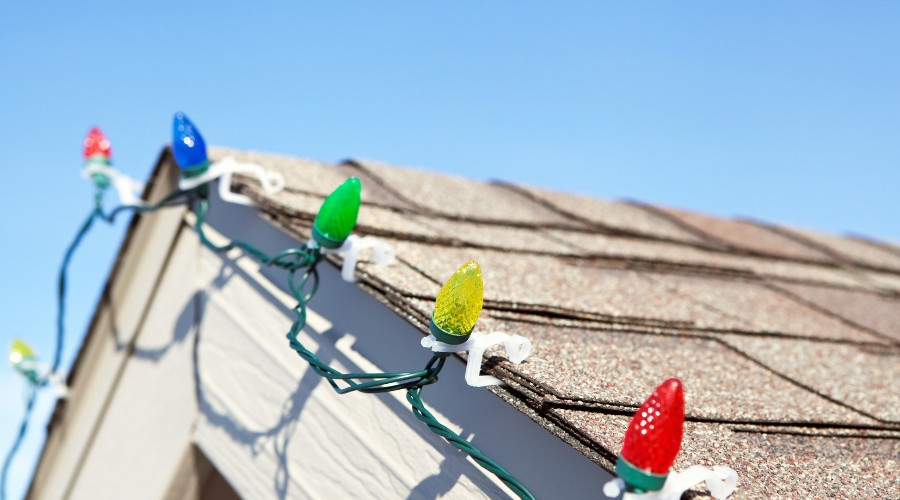
 Outdoor Christmas lights deliver classic curb appeal, but correct installation is critical to electrical safety. Select products specifically labeled for exterior use; indoor‑only strands lack the weather‑resistant insulation and seals required outside. For mounting, choose plastic clips, gutter hooks, and zip ties designed for decorations. These accessories secure lights without piercing insulation or damaging trim, unlike staples or nails that can nick wires and create short circuits.
Follow a few best practices for a safer setup:
- Use adhesive clips on smooth siding or trim where drilling is not appropriate
- Slide gutter hooks under shingles or drip edges without penetrating roofing materials
- Secure strands to railings or posts with outdoor‑rated ties, avoiding sharp bends
- Space supports at regular intervals to prevent sagging and strain at connectors
Plan power distribution carefully. Spread the load across multiple circuits as needed, and avoid chaining too many strands end to end. Keep connections off the ground and shielded from pooling water. For Halloween decorations that animate or light up, as well as extensive Christmas decorations, consider timers or smart plugs to prevent running lights continuously. These small steps reduce wear on components and help maintain a safer installation over the entire season.
LED lights are usually the safer option for large outdoor displays due to lower heat and reduced current draw, which can minimize tripped breakers. Still, even LED strings require correct handling—protect connectors from moisture, keep plugs accessible for quick disconnection, and store lights in dry containers after the holidays to prevent off‑season damage.
A quick final walkthrough makes a difference: confirm strands are secure, no fasteners have pierced insulation, and any exposed connections are protected from weather. With sound product selection, careful inspection, and safe mounting techniques, holiday lights and holiday decorations can shine brightly—without compromising electrical safety.
About Parham Heating, Cooling, Plumbing & Electric
Parham Heating, Cooling, Plumbing & Electric is a family-owned and operated HVAC, plumbing, and electrical company providing straightforward pricing and on-time service in Trenton, TN, and the surrounding areas. Call them today for holiday lighting in Trenton, TN.

Contact Information:
Parham Heating, Cooling, Plumbing & Electric
44 Humboldt Highway
Trenton, TN 38382
United States
Chris Parham
(731) 855-4328
https://www.callparham.com/