Worsening Soil Shifts in Charlotte Drive Urgent Focus on Retaining Wall Safety
Charlotte, United States – January 8, 2026 / Main Street Retaining Walls /

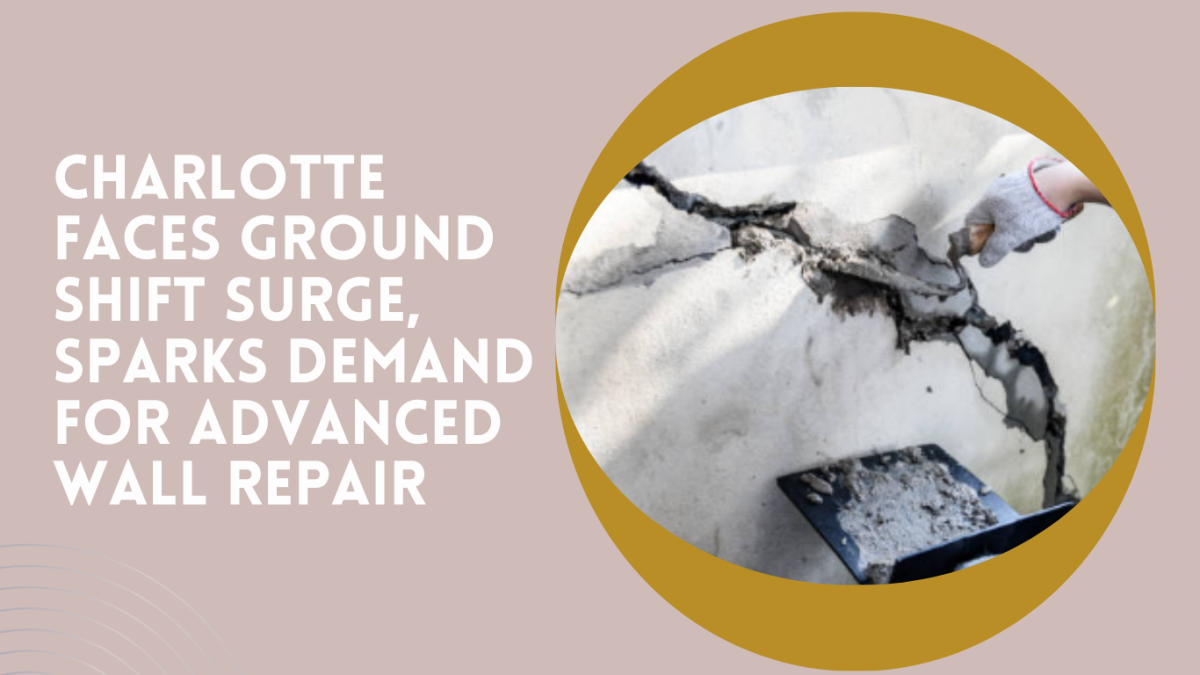
Recent ground movement caused by erratic weather, prolonged rainfall, and shifting soil conditions has led to a sharp uptick in wall failure incidents throughout the city. As a result, advanced wall repair solutions are now in high demand, especially in neighborhoods built on hillsides, slopes, or areas with expansive clay soils.
Retaining walls play a critical role in stabilizing landscapes, preventing erosion, and protecting foundations. When ground movement increases, these structures are often the first to show signs of trouble. The recent surge in wall repairs in Charlotte is more than a maintenance trend—it’s a necessary response to a deeper shift in the city’s terrain behavior.
What is Causing the Recent Ground Shifting Issues in Charlotte?
Charlotte sits atop a mix of clay-heavy soils and varied elevations, which makes it vulnerable to ground movement. While these conditions have always existed, several recent factors are accelerating the rate of shift and soil instability.
1. Increased Rainfall and Saturation
Extended rainy periods saturate clay soil, which naturally expands as it absorbs moisture. This expansion causes uplift of foundations and retaining walls, lateral pressure on walls and footings, and soggy, unstable ground beneath heavy structures
In Charlotte’s older neighborhoods, many drainage systems are outdated, further contributing to soil saturation.
2. Freeze-Thaw Cycles
Though Charlotte doesn’t have harsh winters, fluctuating temperatures during colder months can lead to freeze-thaw activity. Moisture in the soil freezes, expands, and contracts, causing minor shifts that, over time, lead to visible structural stress.
This cyclical movement weakens the ground’s ability to support walls, driveways, and patios.
3. Dry Spells and Soil Contraction
On the other end of the spectrum, dry stretches cause the same clay-rich soil to contract and crack. After swelling from heavy rain, sudden dryness creates soil gaps, loss of support for wall footings, and shifts in wall alignment or elevation.
These drying phases are becoming more common in Charlotte’s summers and early falls.
4. New Construction and Nearby Excavation
As Charlotte grows, new developments and construction sites alter ground conditions around existing homes. Excavation, tree removal, or added grading can cause soil destabilization, shifting load pressures, and settlement or heaving near retaining walls. Older homes adjacent to new builds are especially vulnerable.
5. Lack of Proper Drainage Systems
Many homes, especially those built decades ago, lack adequate grading, French drains, or retaining wall weep holes. This traps water near the wall base and increases the pressure behind walls.
All of these factors combined have led to the current spike in retaining wall failures and foundational movement across Charlotte.
How Does Ground Movement Affect Retaining Wall Stability?
Retaining walls are designed to hold back soil and prevent erosion, but they rely heavily on stable ground conditions to function. When the earth beneath or behind the wall shifts, it disrupts that balance.
1. Increased Lateral Pressure
When water builds up behind a wall (especially during storms or rainy months), it adds weight and hydrostatic pressure. As the soil shifts or becomes saturated, the pressure increases, causing bulging, cracking, and tilting or separation from foundations. Older retaining walls with poor drainage are the first to fail under this pressure.
2. Undermined Foundations
Soil erosion or settlement under a wall footing can cause it to lose support. Without a stable base, the wall sinks unevenly, tilts forward or backward, and breaks along vertical seams.
This is common in hilly areas of Charlotte where runoff is poorly managed.
3. Joint Failure
As soil shifts, pressure on different parts of the wall becomes uneven. Mortar joints and connection points begin to separate, leading to stone or block displacement, loss of structural integrity, and safety hazards and complete collapse if left unchecked. Joint failure is a strong indicator that soil movement is at play.
4. Drainage Blockage
If soil movement clogs weep holes or drainage lines behind a wall, water becomes trapped. This creates hydraulic pressure that pushes against the wall over time, especially during heavy rain.
Drainage failure due to ground shifting is one of the most common causes of long-term retaining wall damage.
What are the Best Repair Methods for Walls Damaged by Soil Displacement?
When walls are impacted by shifting soil, the right repair approach depends on the extent of the damage, the wall’s material, and the surrounding terrain. Fortunately, modern engineering offers solutions that go far beyond cosmetic fixes.
1. Tieback Anchoring
This method involves drilling into the slope behind the wall and installing steel rods anchored deep into stable soil or bedrock. Tieback anchoring restores stability to leaning or bulging walls, reinforces walls under high lateral pressure, and can often be done without wall removal. Tiebacks are commonly used for mid-sized retaining walls in residential settings.
2. Wall Reconstruction with Updated Engineering
In severe cases, the only option is to demolish and rebuild the wall—this time with better footing and drainage systems.
Rebuilds often include wider or deeper concrete footings, reinforced block or poured concrete, geogrid reinforcement layers, and properly installed weep holes or French drains. This method ensures long-term performance even in unstable ground conditions.
3. Soil Nailing
For taller or heavily-loaded walls, soil nailing is used to strengthen the slope behind the wall. It involves driving steel bars (nails) into the slope and anchoring them with grout.
Advantages:
-
Stabilizes both the wall and surrounding soil
-
Useful for retaining walls supporting driveways or terraces
-
Prevents future displacement from recurring shifts
This is a solution often seen in commercial or hillside residential projects.
4. Segmental Wall Reinforcement

Many Fort Mill and Charlotte homeowners are opting for upgraded segmental systems for better durability.
5. Drainage System Upgrades
Regardless of the repair method, improved drainage is essential. This includes:
-
French drains to redirect water
-
Surface grading adjustments
-
Gutter and downspout extensions
-
Perforated pipe installations behind the wall
Proper drainage is the most effective way to relieve wall pressure caused by saturated soils.
How Can Homeowners Prevent Future Wall Failures During Periods of Ground Shift?
Preventing retaining wall failure starts with proactive steps that address the underlying causes of soil movement. While some shifts are inevitable, these actions can reduce the risk of structural damage.
1. Regular Inspections
Visually inspect retaining walls at least twice a year. Look for new cracks, wall leaning or bulging, pooled water or soggy soil near the base, and blocked drainage outlets.
Early detection allows for affordable interventions before damage worsens.
2. Maintain Drainage Infrastructure
Ensure all water runoff is directed away from retaining walls. Clean and repair gutters and downspouts, drain pipes and weep holes, and surface drainage swales. Avoid planting water-intensive landscaping near wall edges.
3. Regrade Sloped Areas
If your yard slopes toward your retaining wall, water will collect behind it. Regrading or adding a swale can help redirect surface water and reduce wall stress.
4. Install Monitoring Systems
Some homeowners install ground movement sensors or wall tilt monitors that alert them to early signs of shifting. While more common in commercial applications, this technology is becoming more affordable and accessible.
5. Work with Experienced Wall Contractors
Choose contractors who understand Charlotte’s unique soil conditions. Reputable builders will se engineered backfill, include geogrid or reinforcement systems, and account for potential ground movement in their designs. Cutting corners during installation leads to major problems when soil begins to move.
Charlotte’s recent surge in ground shift activity has turned retaining wall repair from a routine task into a citywide priority. Homeowners are discovering that subtle soil movements can have dramatic impacts on outdoor structures—and advanced repair solutions are now critical to maintaining safety and property value.
Whether your wall is cracking, leaning, or just showing early signs of stress, addressing the problem sooner rather than later is the smartest move. With the right approach to repair, drainage, and maintenance, homeowners can protect their landscape and their investment against Charlotte’s increasingly dynamic ground conditions.
Protect Your Property with Expert Wall Repair from Main Street Retaining Wall
If you’ve noticed cracks, leaning, or signs of soil movement around your retaining wall, don’t wait for the damage to get worse. At Main Street Retaining Wall, we specialize in diagnosing and repairing wall issues caused by Charlotte’s shifting ground conditions. With the recent surge in soil movement across the region, early intervention is key to avoiding costly structural failures.
Our experienced team uses proven, engineered repair methods including tiebacks, reinforced rebuilding, and improved drainage systems to restore stability and protect your landscape. Whether your wall supports a sloped yard, garden terrace, or driveway, we tailor our solutions to meet your specific property needs.
We understand Charlotte’s soils, climate, and building challenges and we bring that local knowledge to every project. If your wall is showing signs of stress, now is the time to act.
Contact Main Street Retaining Wall today to schedule an assessment and get expert advice on keeping your property safe, supported, and built to last.

Contact Information:
Main Street Retaining Walls
635 Atando Ave Suite F
Charlotte, NC 28206
United States
Daniel Hodges
(704) 961-9302
https://mainstreetretainingwalls.com/